Design Processes & Positioning
Design Processes & Positioning
Concept, Process & Creative Decision-Making
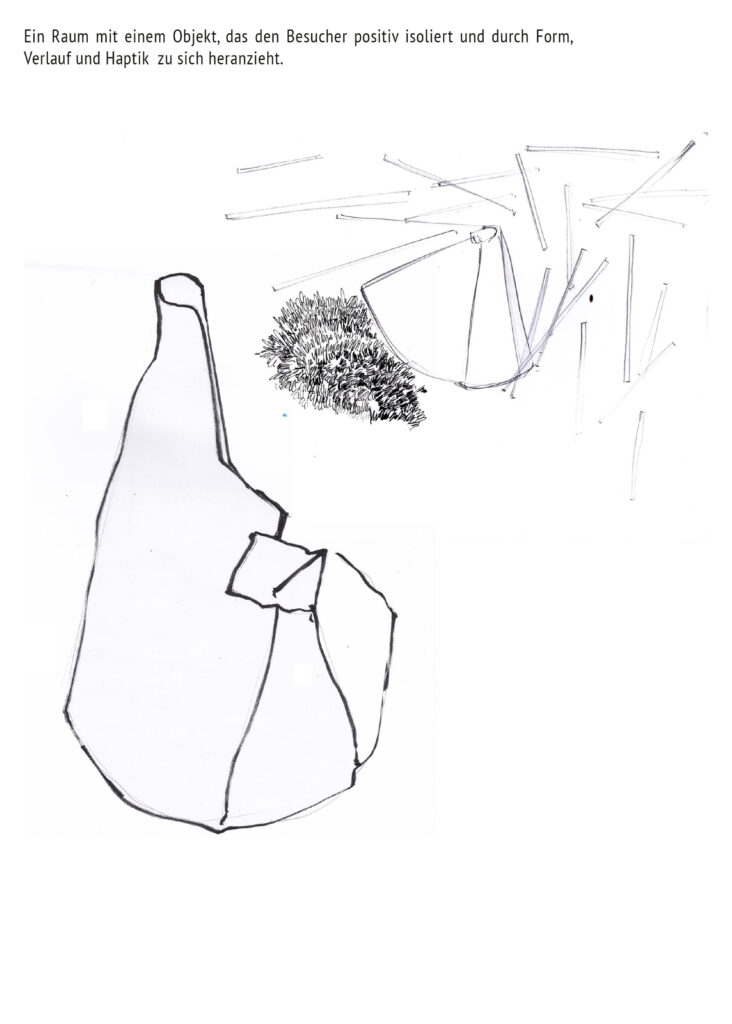
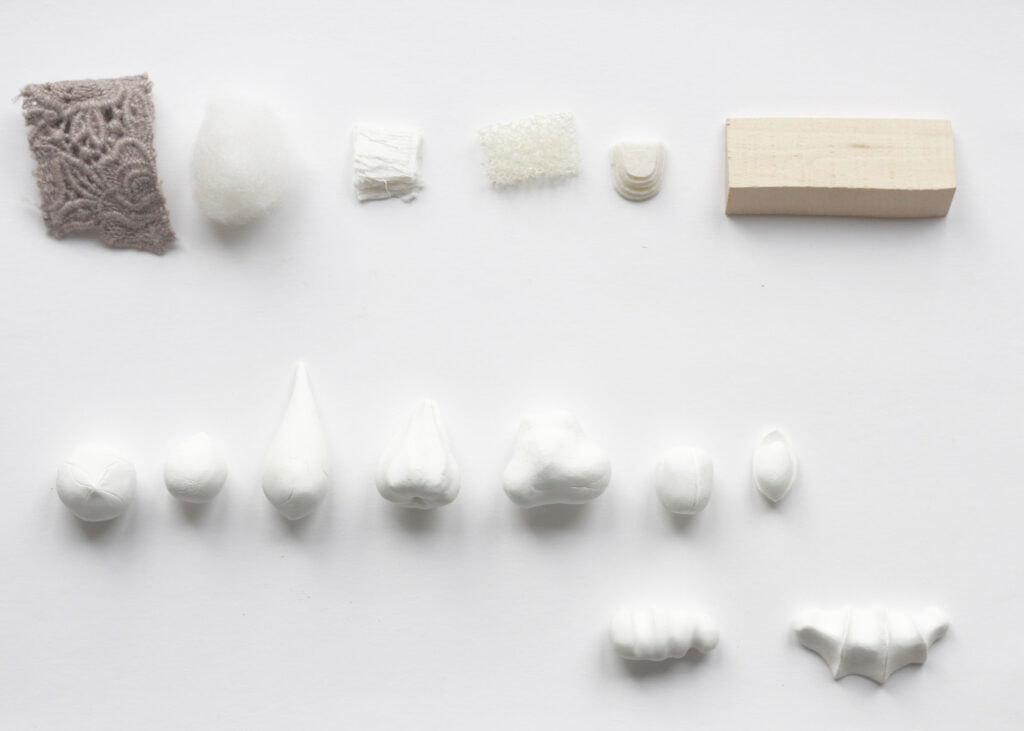
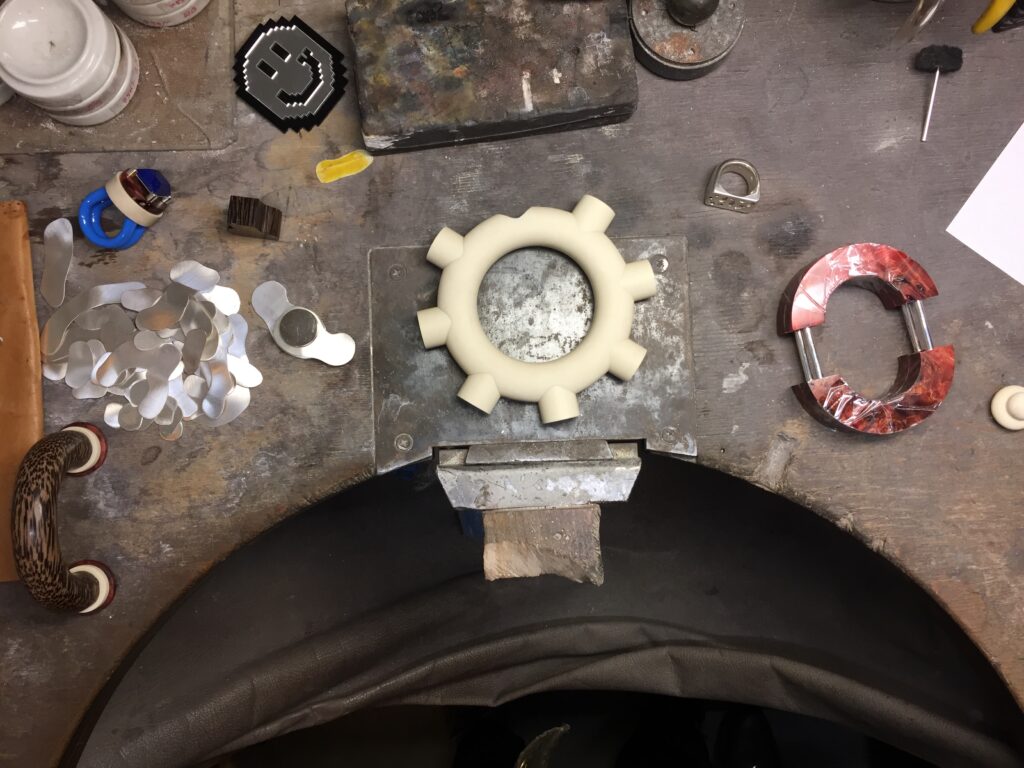
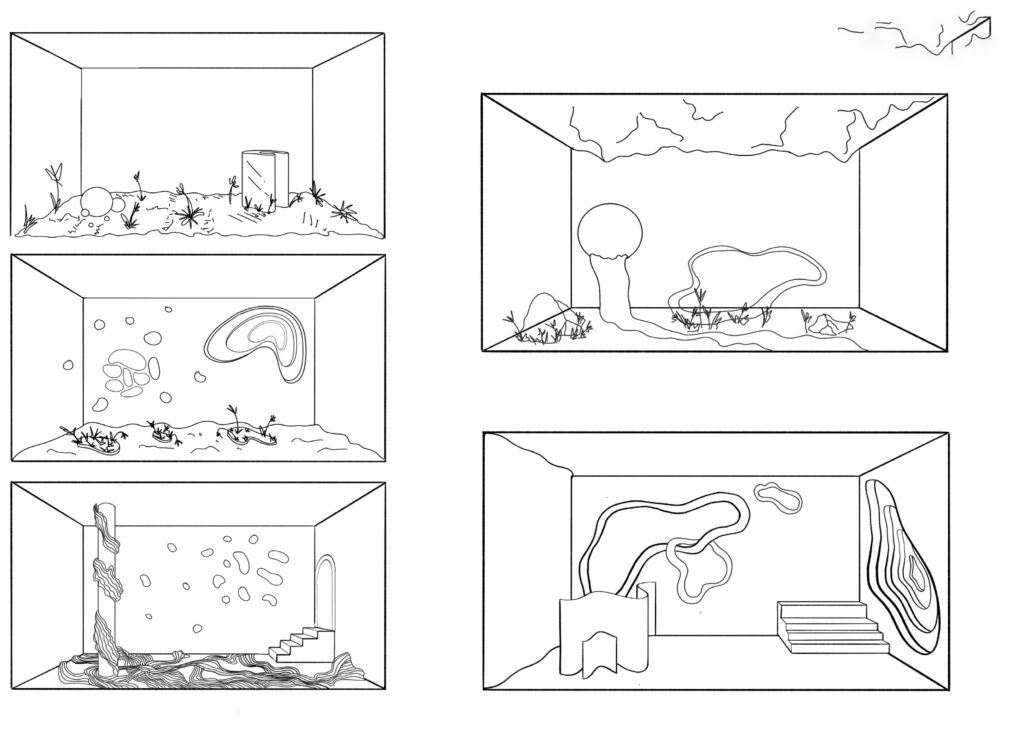
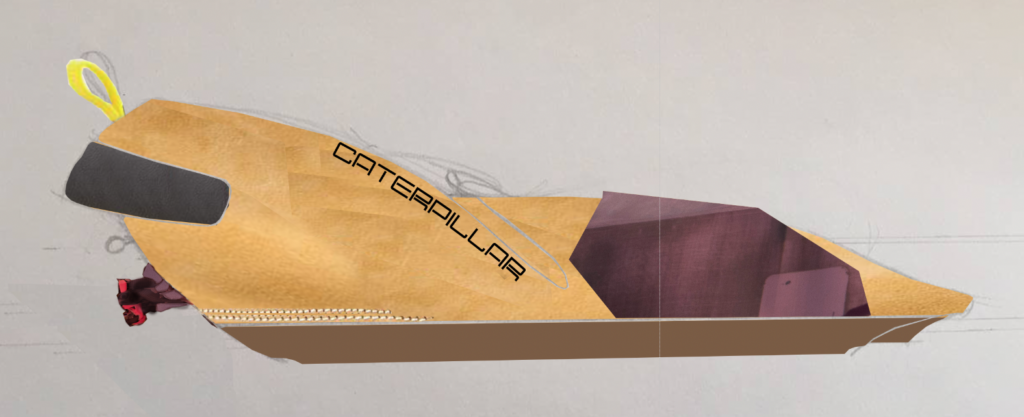
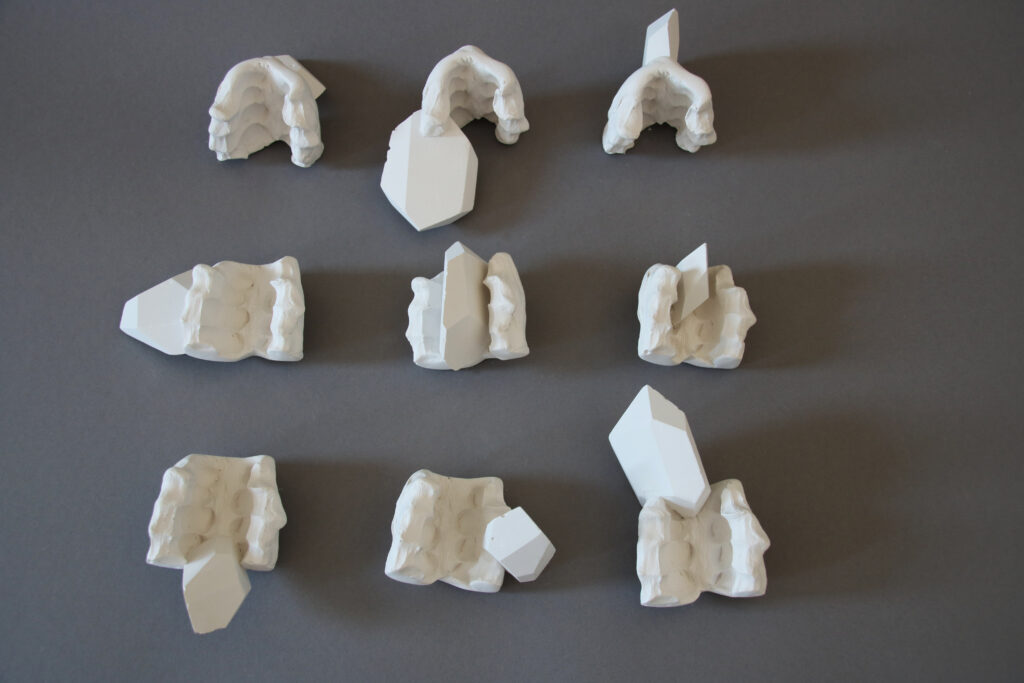
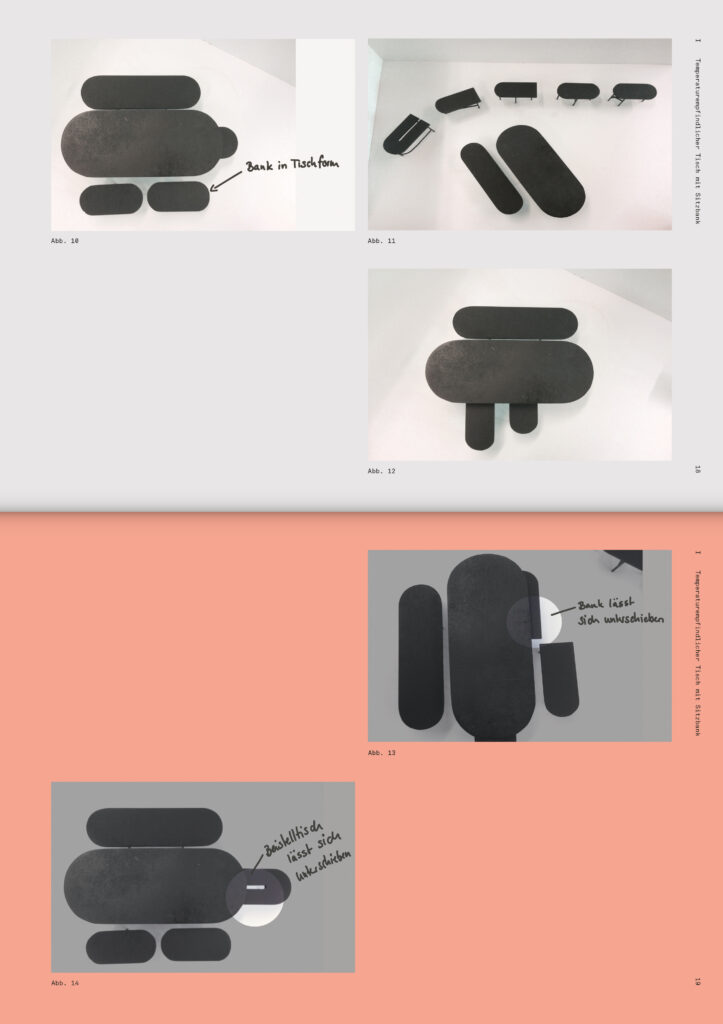
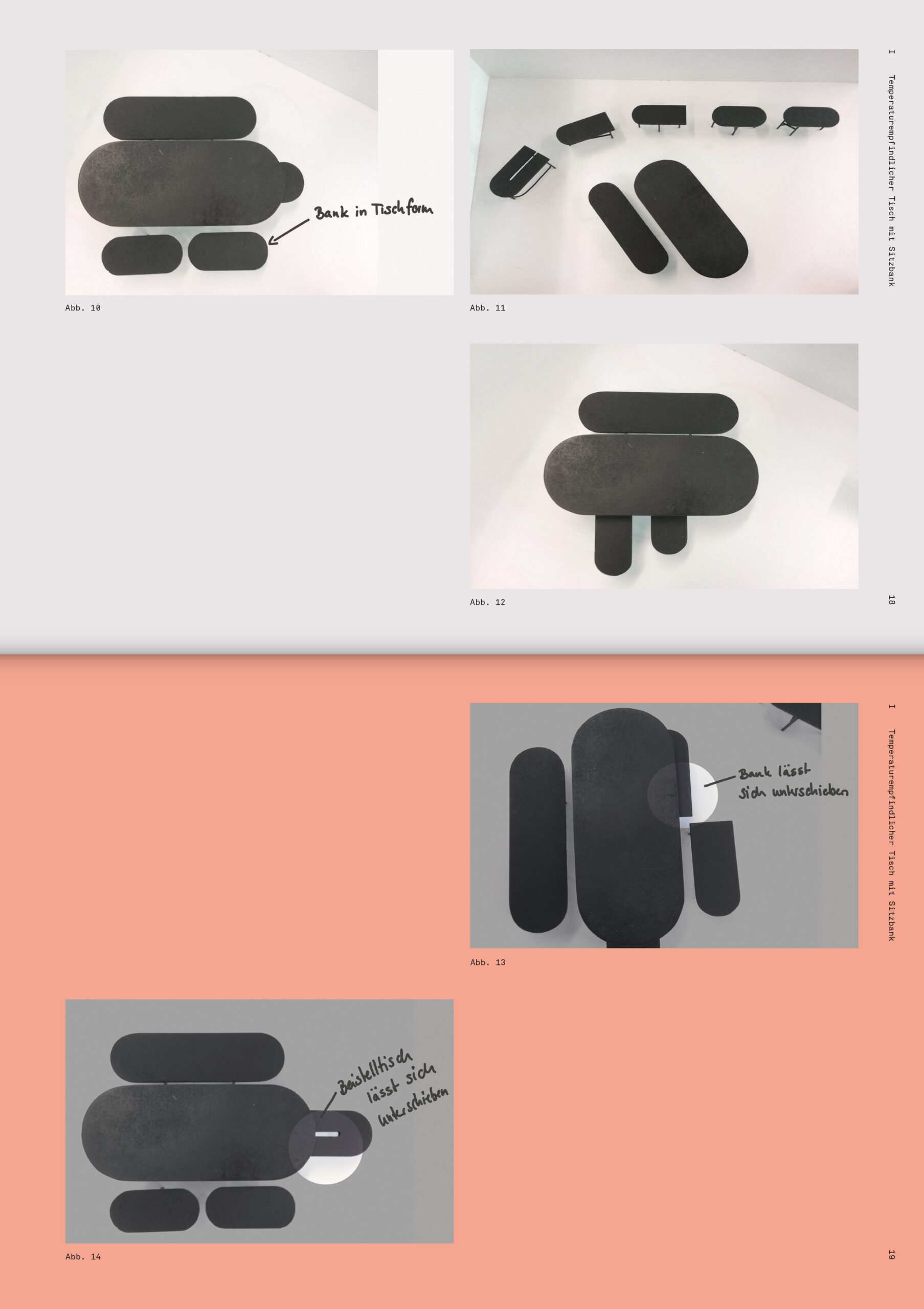
Projects begin with a question, observation or thematic starting point that students develop through research, sketching, model-making and material experimentation. Assignments encourage them to connect personal interests and observations with broader cultural, social or material contexts, gradually translating these into an individual design position.
In projects such as Finding Your Form, students reflected on existing approaches within their own work and developed them into new contextual design processes. A Good Sign approached social and technological change through the development of three-dimensional signs, asking students to translate abstract questions into tangible and readable forms. Across these different formats, emphasis lies on developing a personal visual language while learning to question, test and articulate design decisions.

Developing Design Systems & Narratives
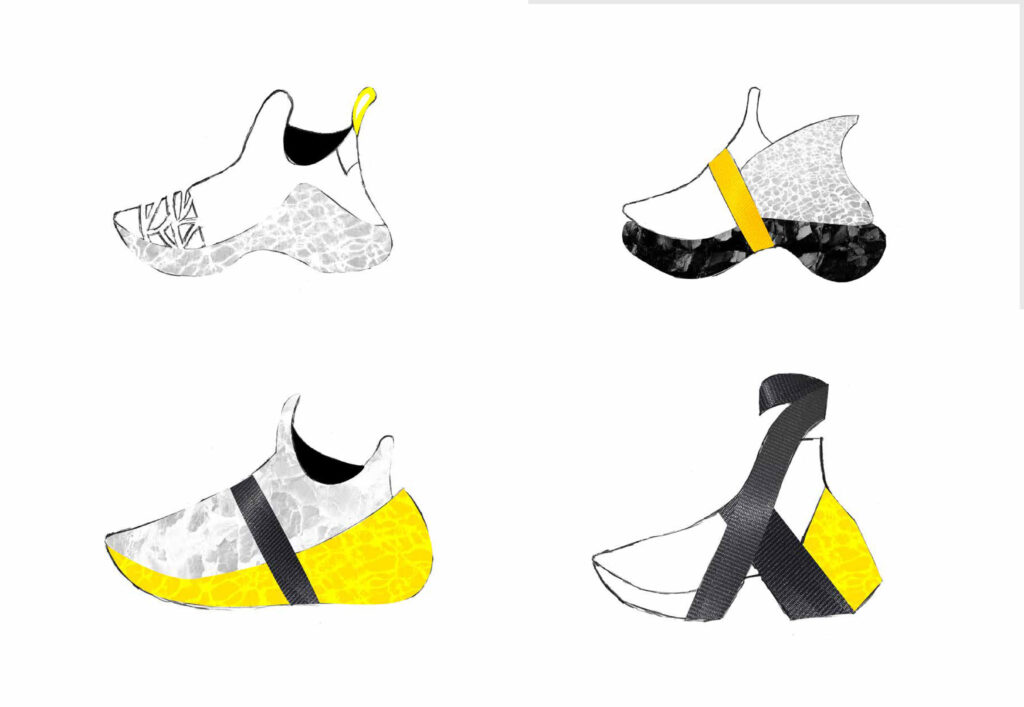
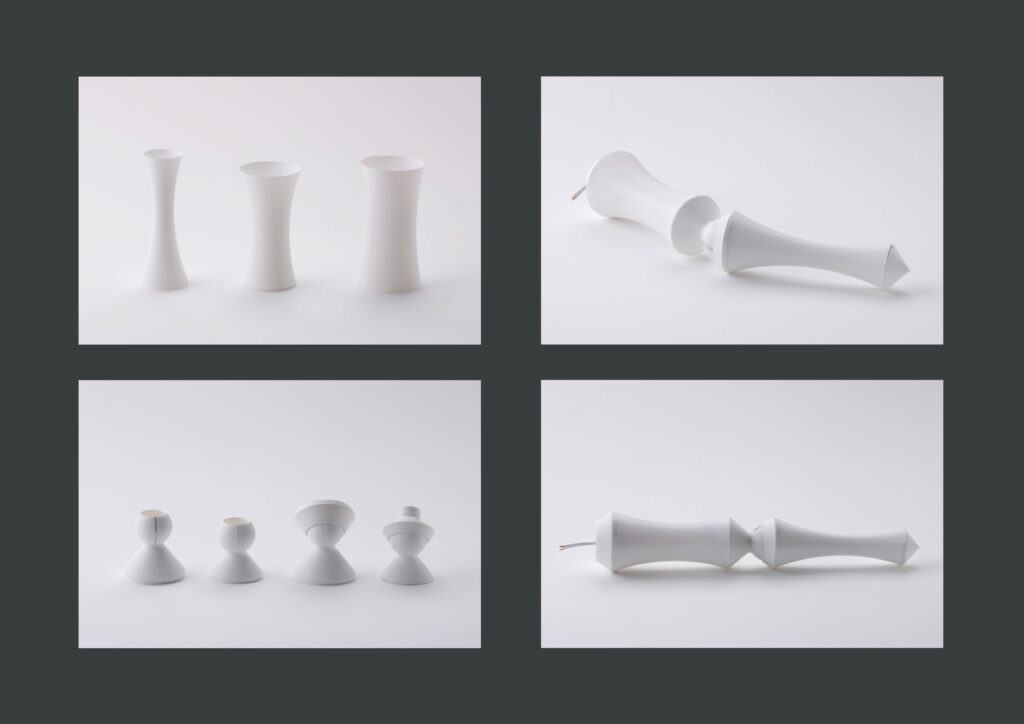
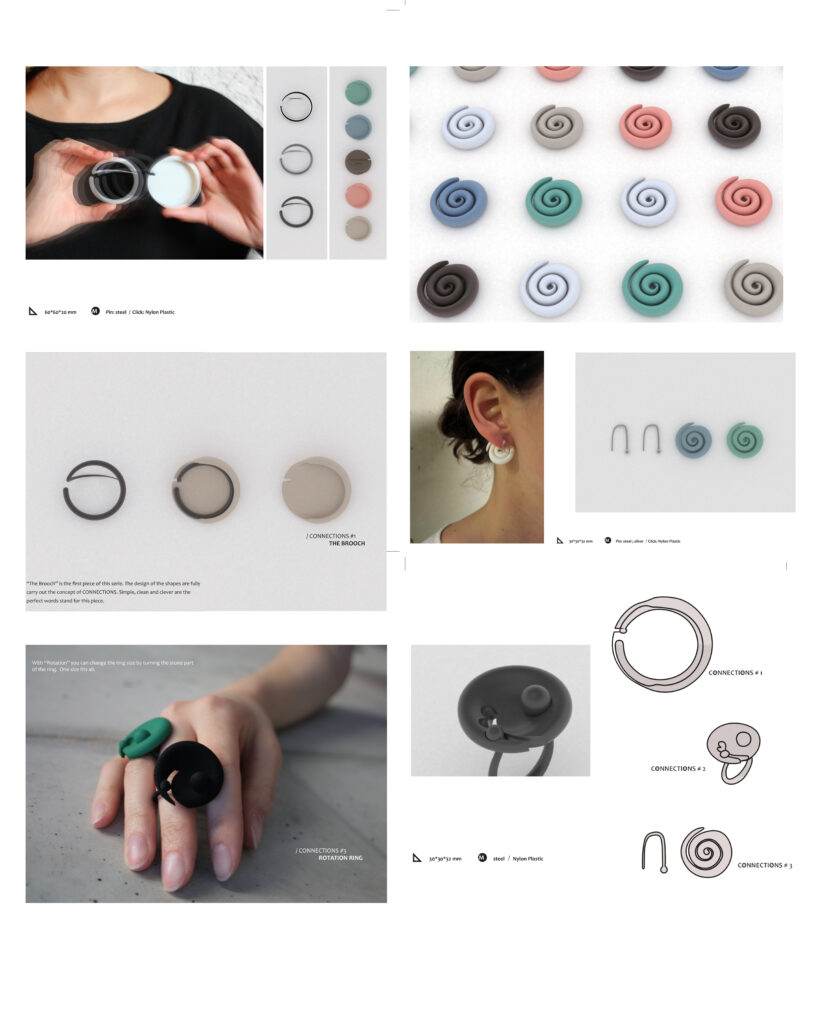
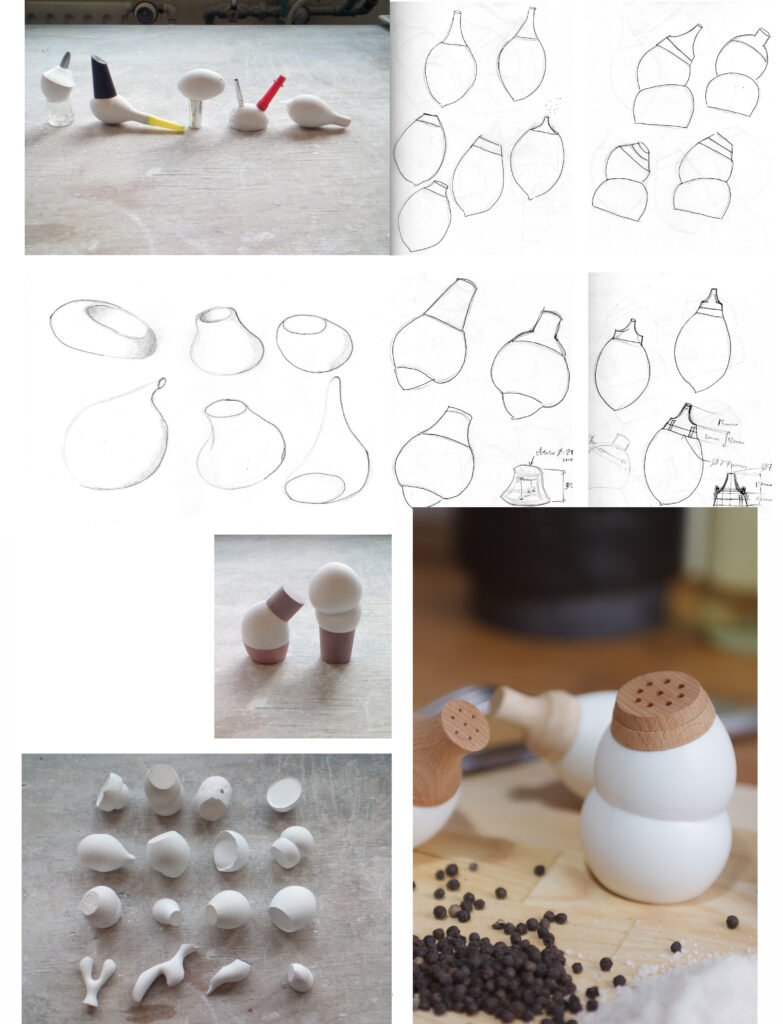
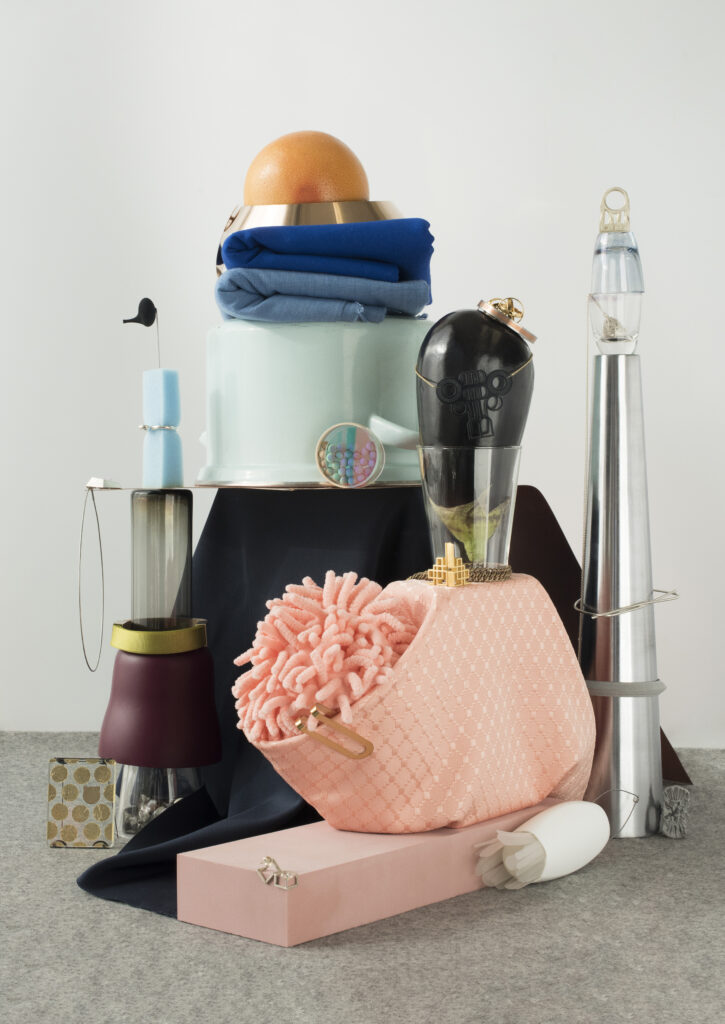
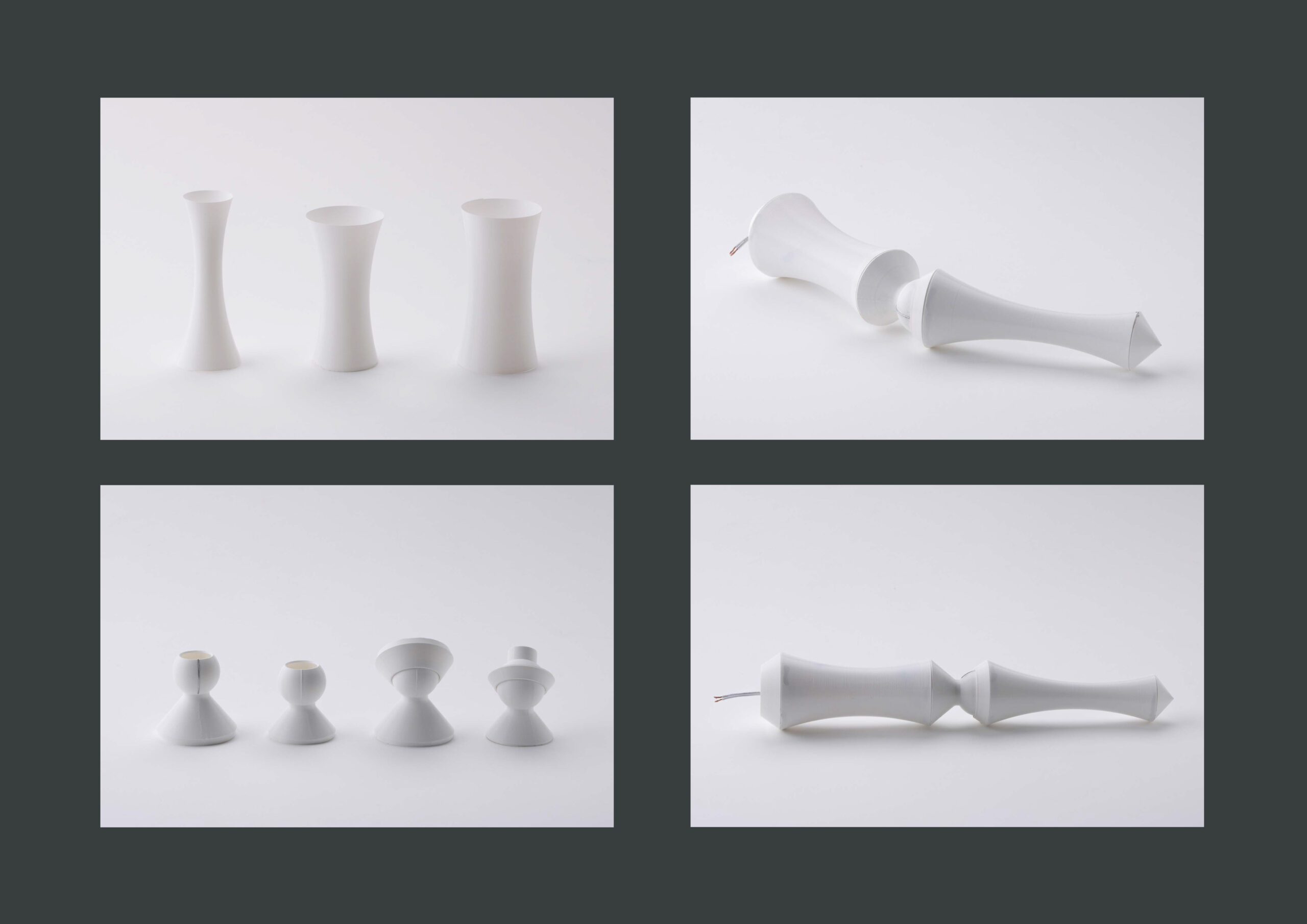
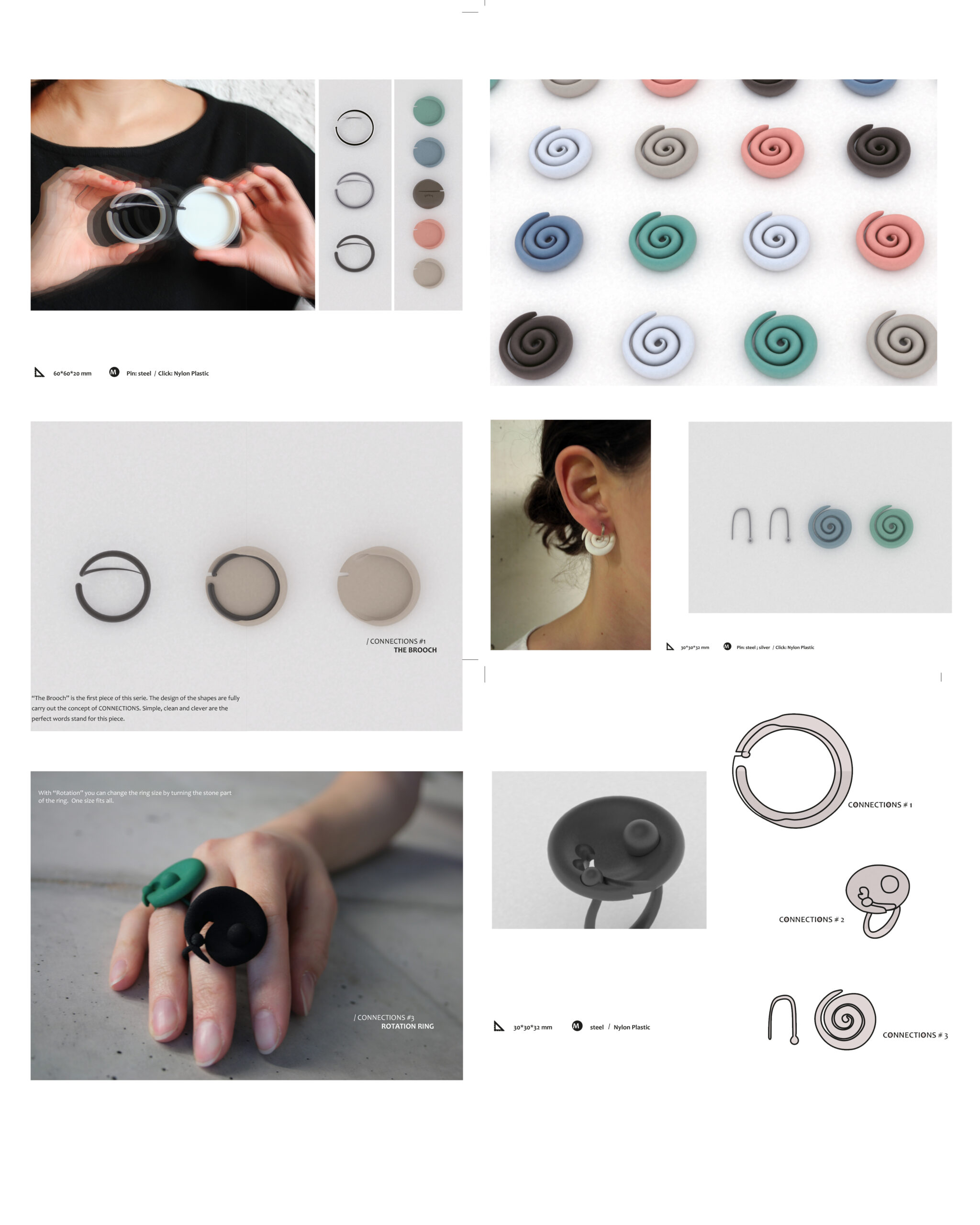
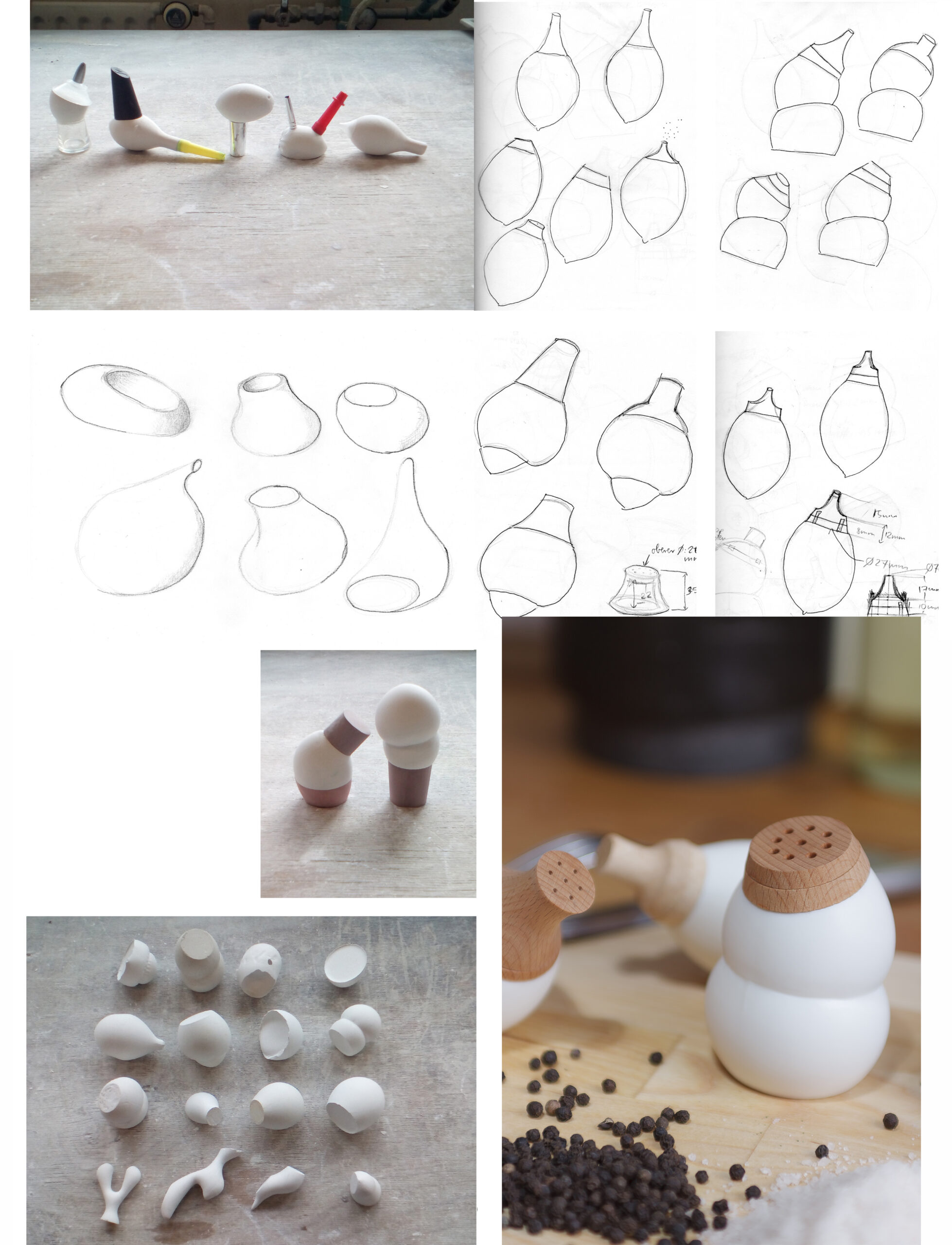
Students explore how an initial idea or form can be developed through variation, repetition and transformation. Depending on the assignment, this may lead to individual objects, families of forms, jewellery collections or serially conceived products. Projects encourage students to consider how material, construction, wearability and production influence the development of a coherent design language.
Assignments such as 5XD, One and Many and Tableware approached these questions from different perspectives, moving between jewellery and product design while examining how individual design decisions can develop into larger systems and series.
Communicating Design
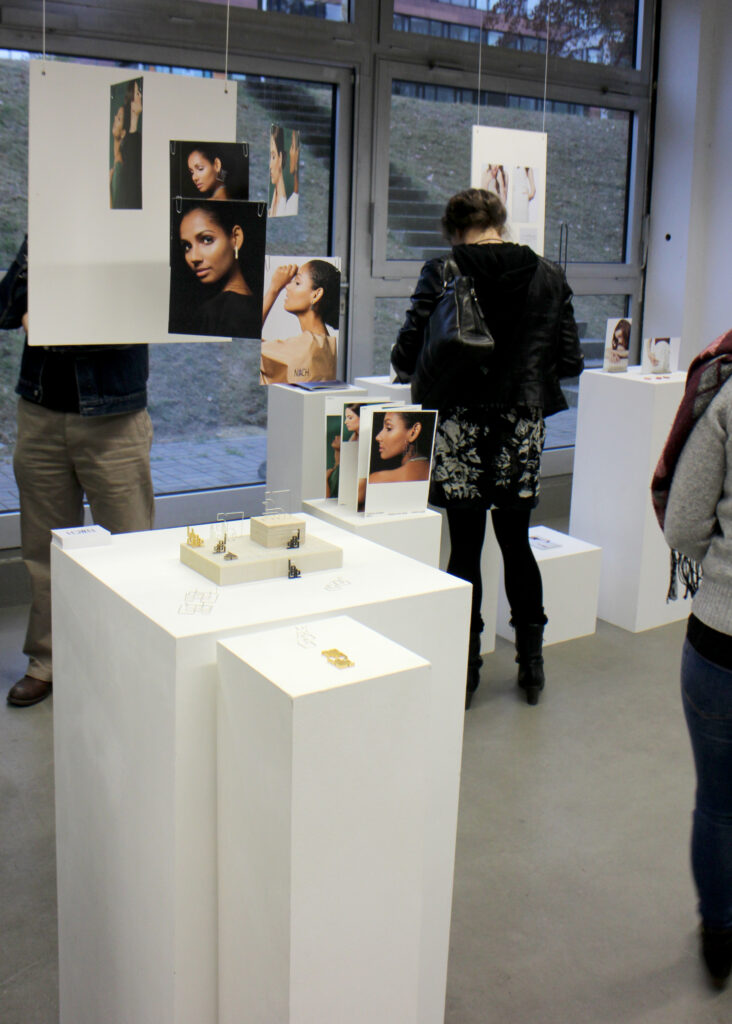
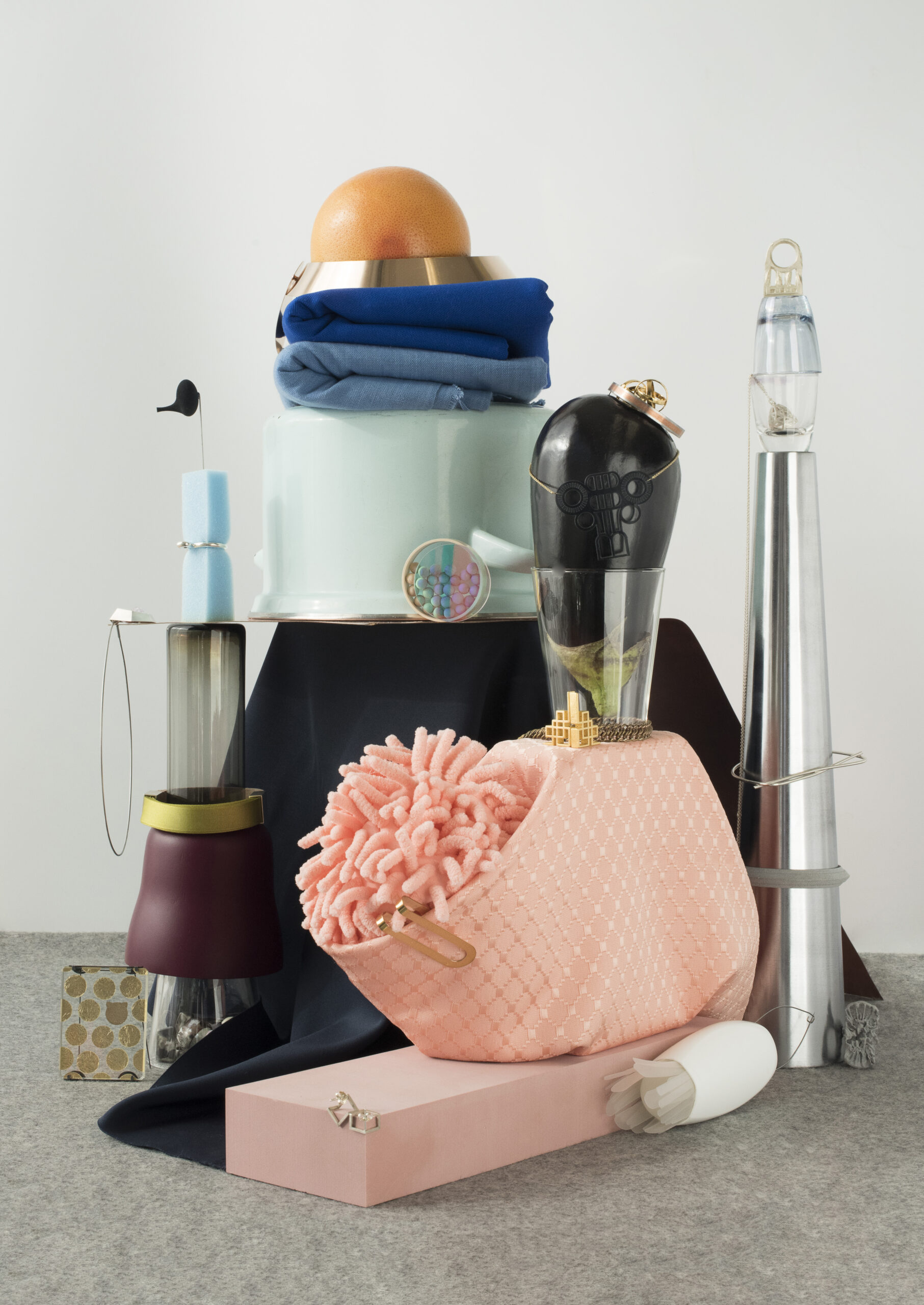
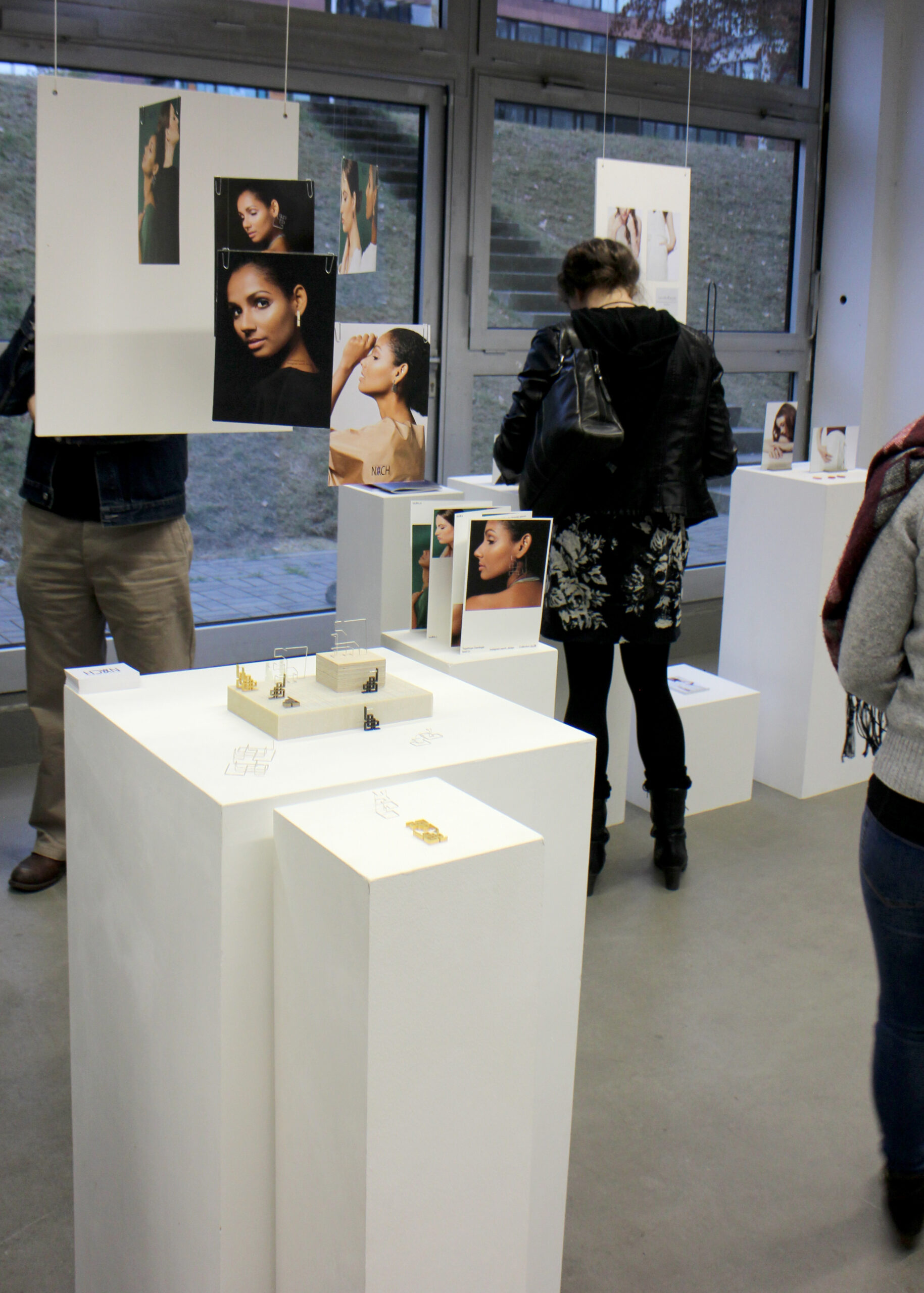
Communication and presentation form an integral part of the design process. Students consider how their work is photographed, contextualised and presented, and how visual communication can support the identity and intention of a project. In projects such as 5XD, this extended from collection development to visual identity, campaign photography and lookbook design.
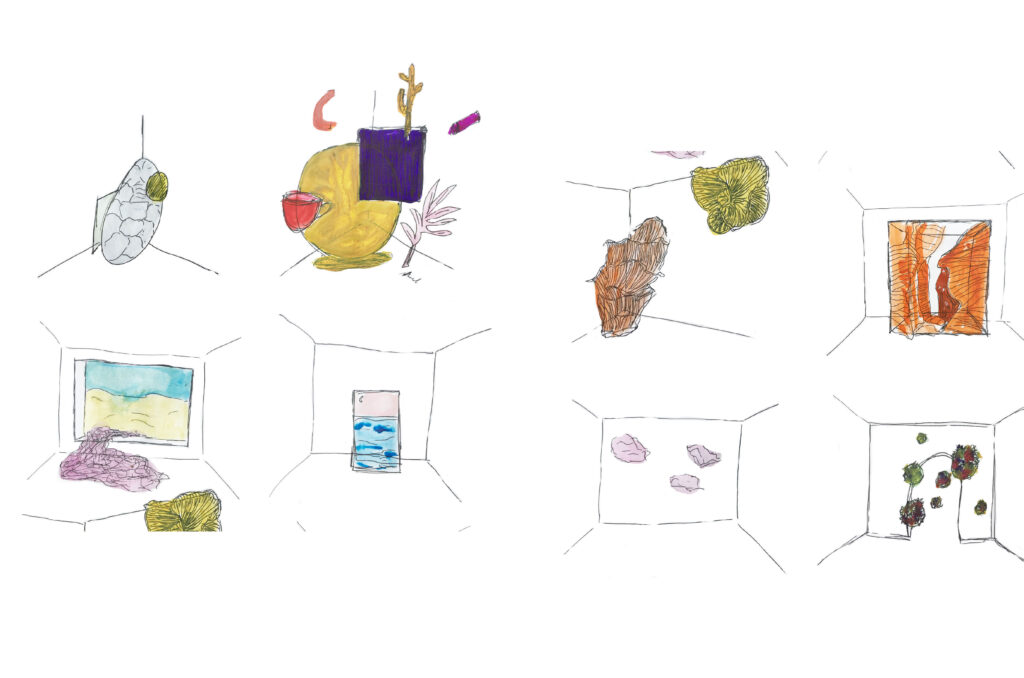
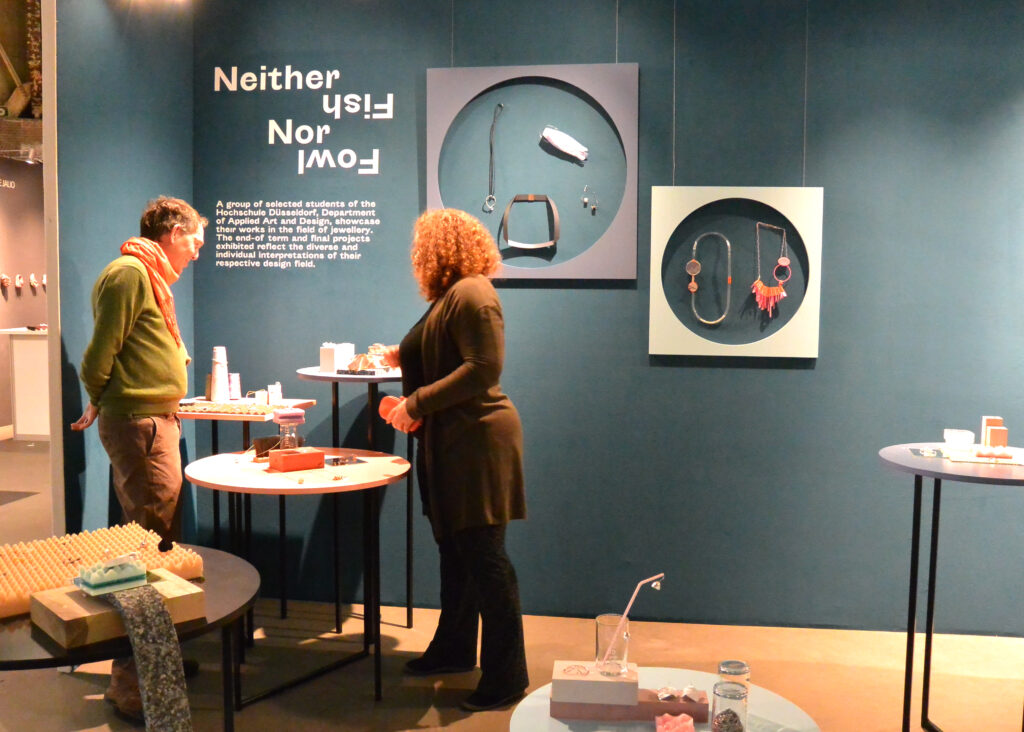
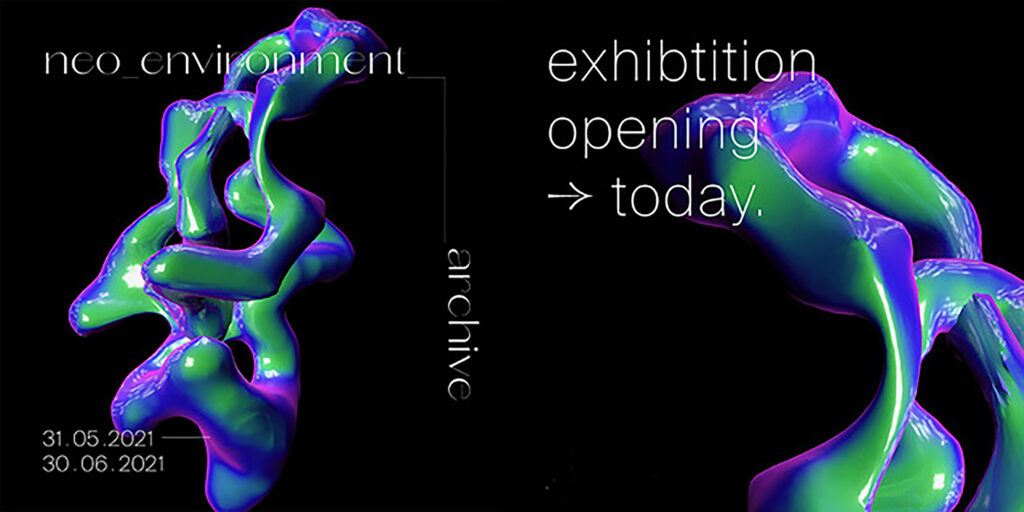
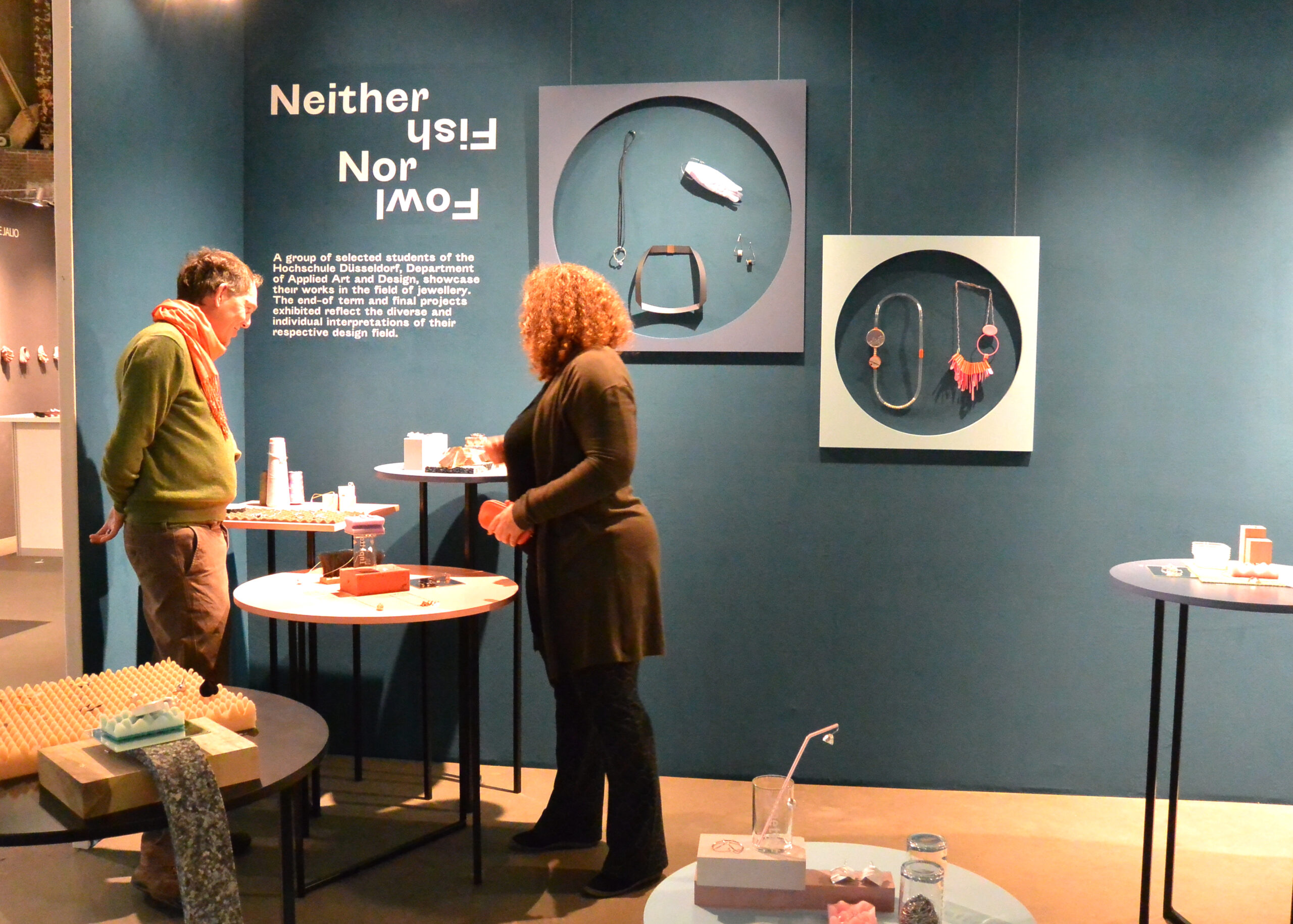
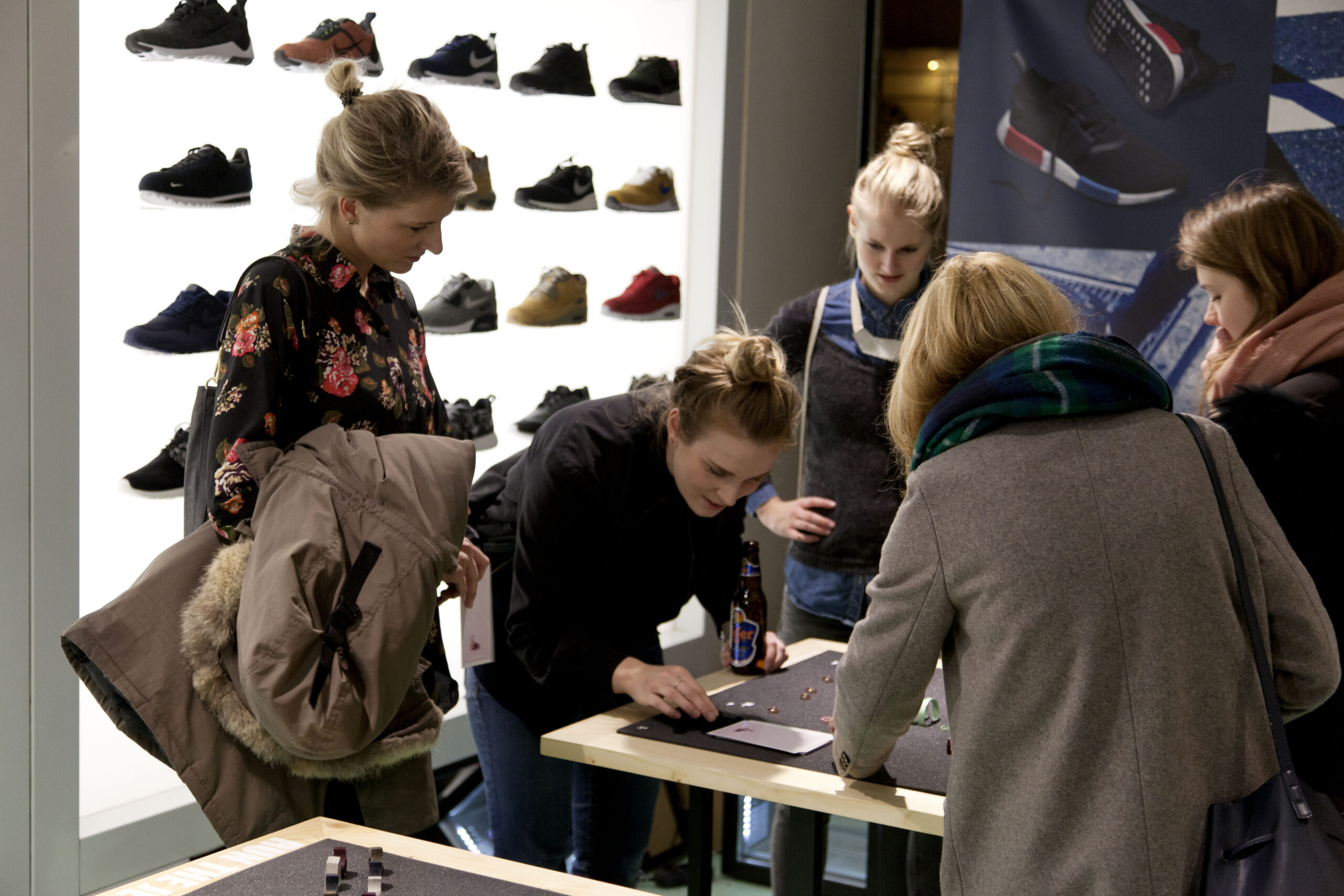
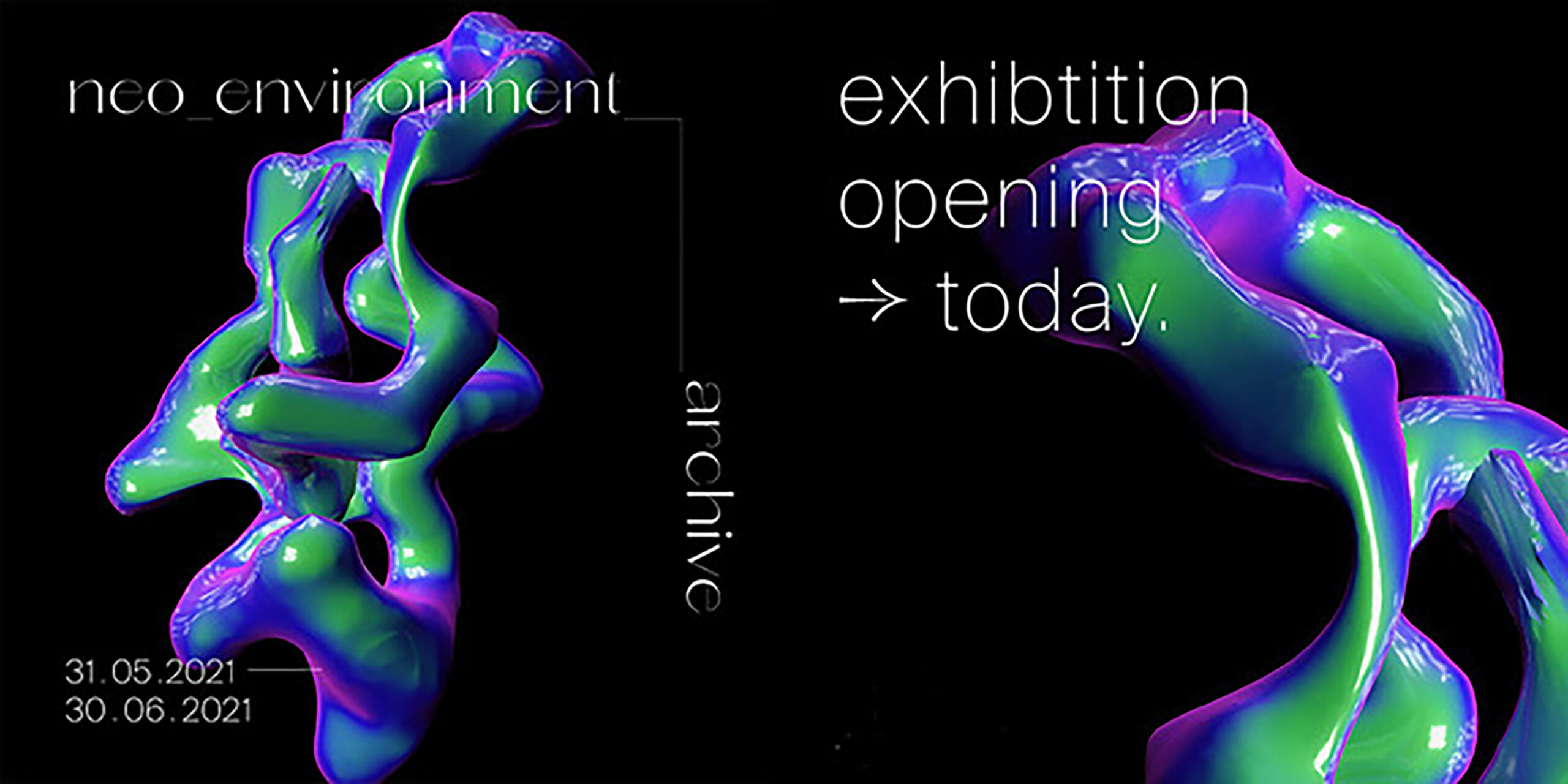
Semester projects also regularly concluded with collaboratively developed public presentations. These ranged from exhibitions within the university to Run the Jewels, a pop-up presentation at Düsseldorf sneaker retailer AFEW, and the online Neo Environment exhibition developed during the COVID-19 pandemic together with Master’s students in Exhibition Design. These formats gave students experience in communicating their work to different audiences while negotiating presentation, collaboration and collective decision-making.

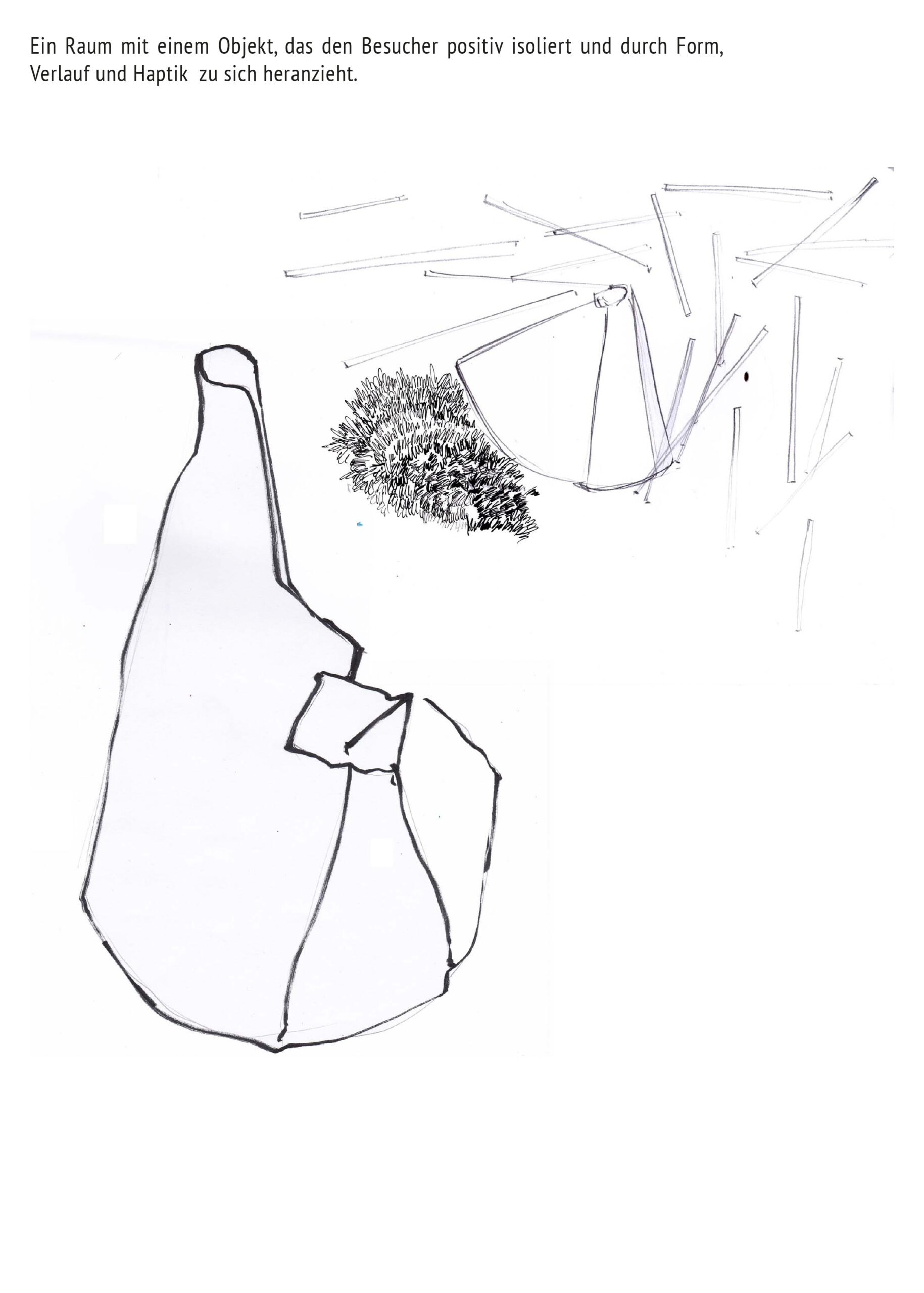
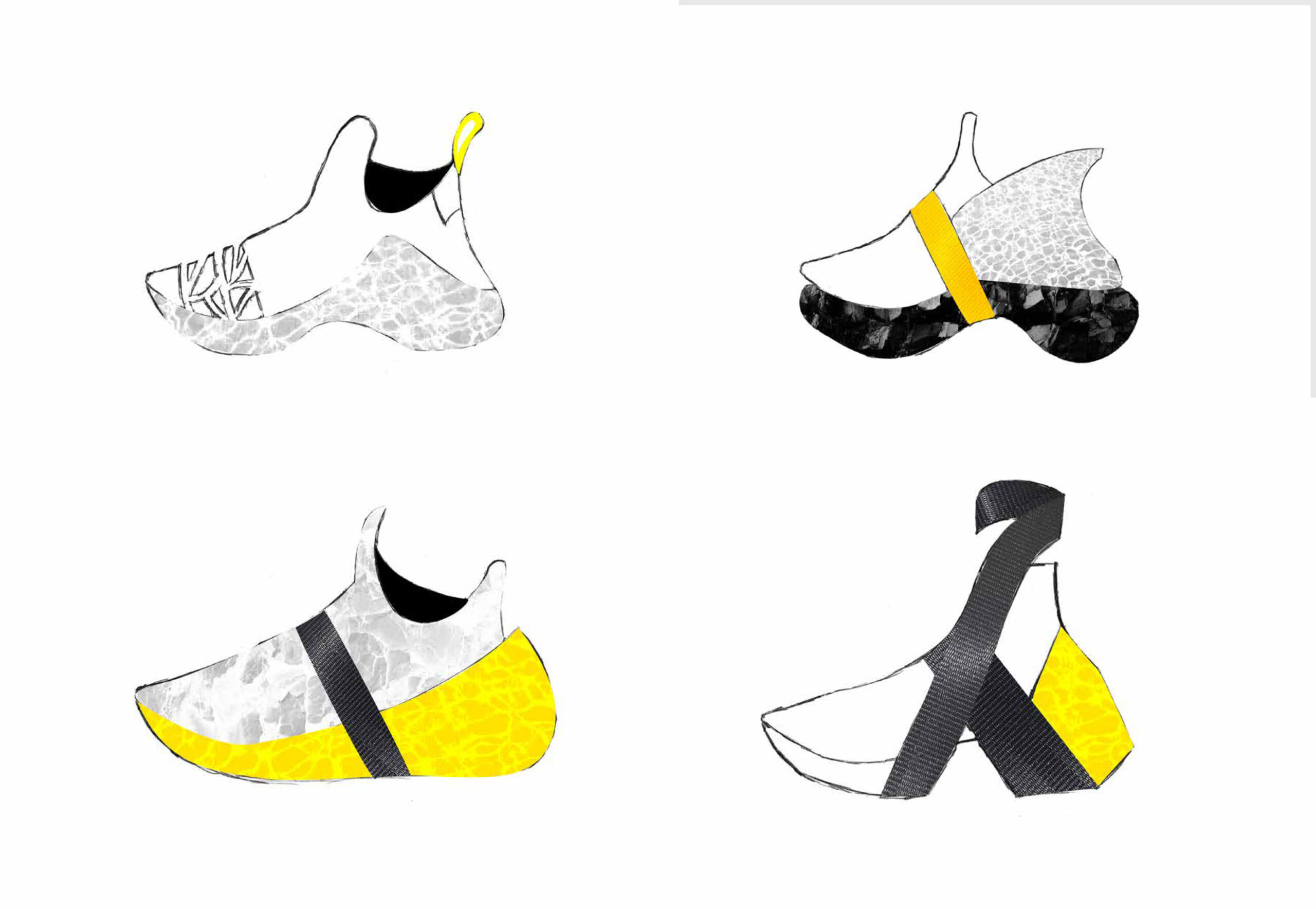
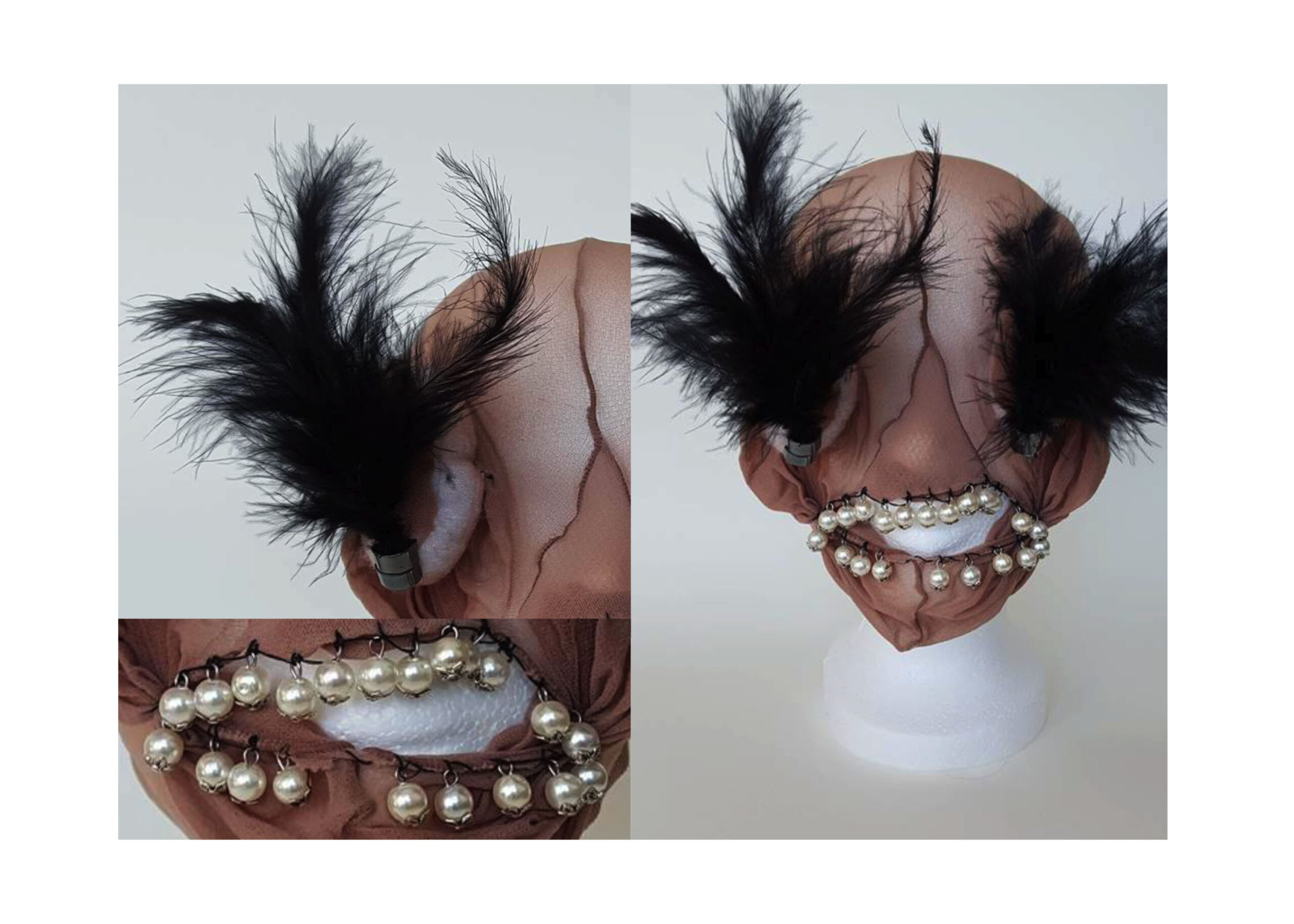
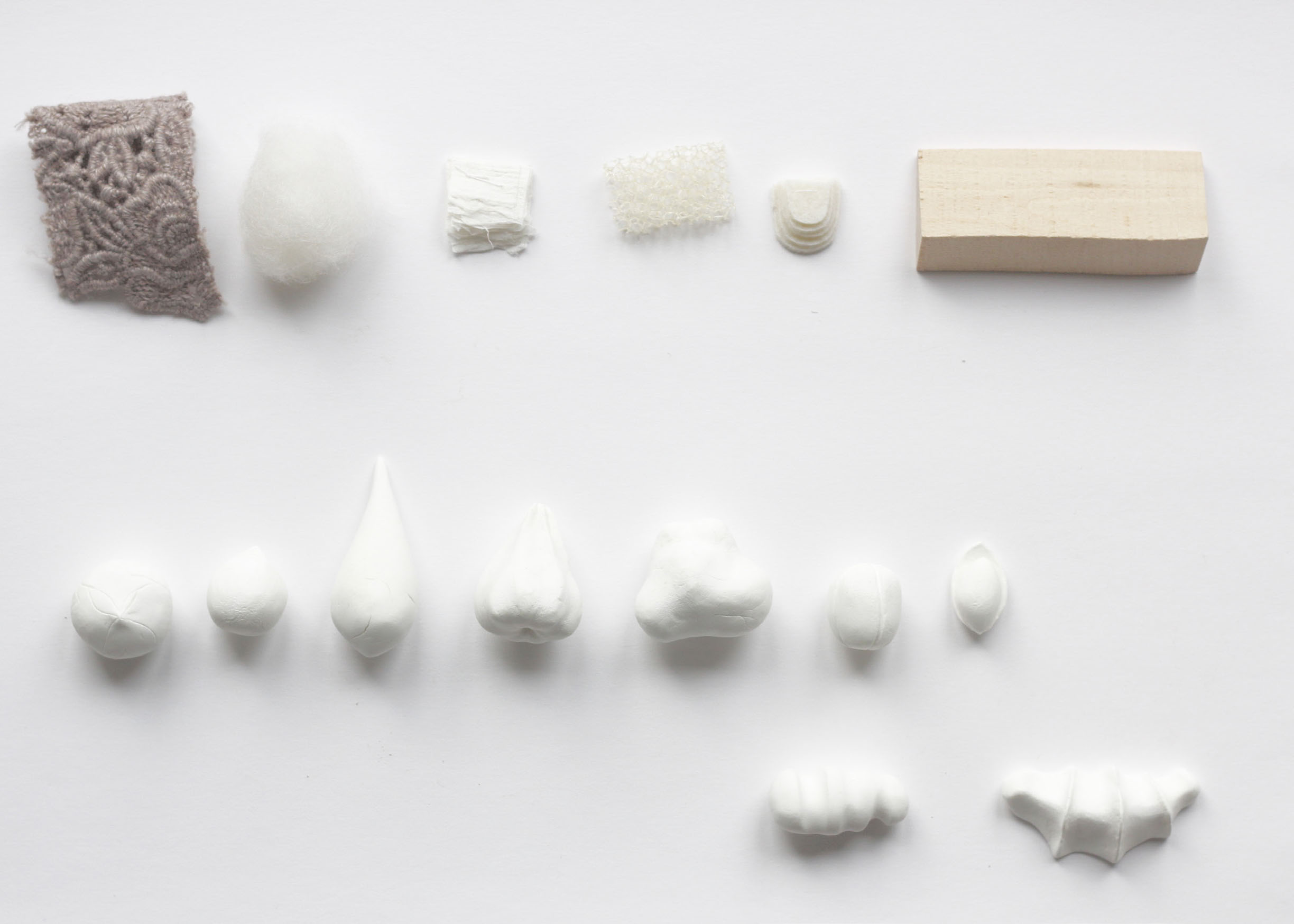
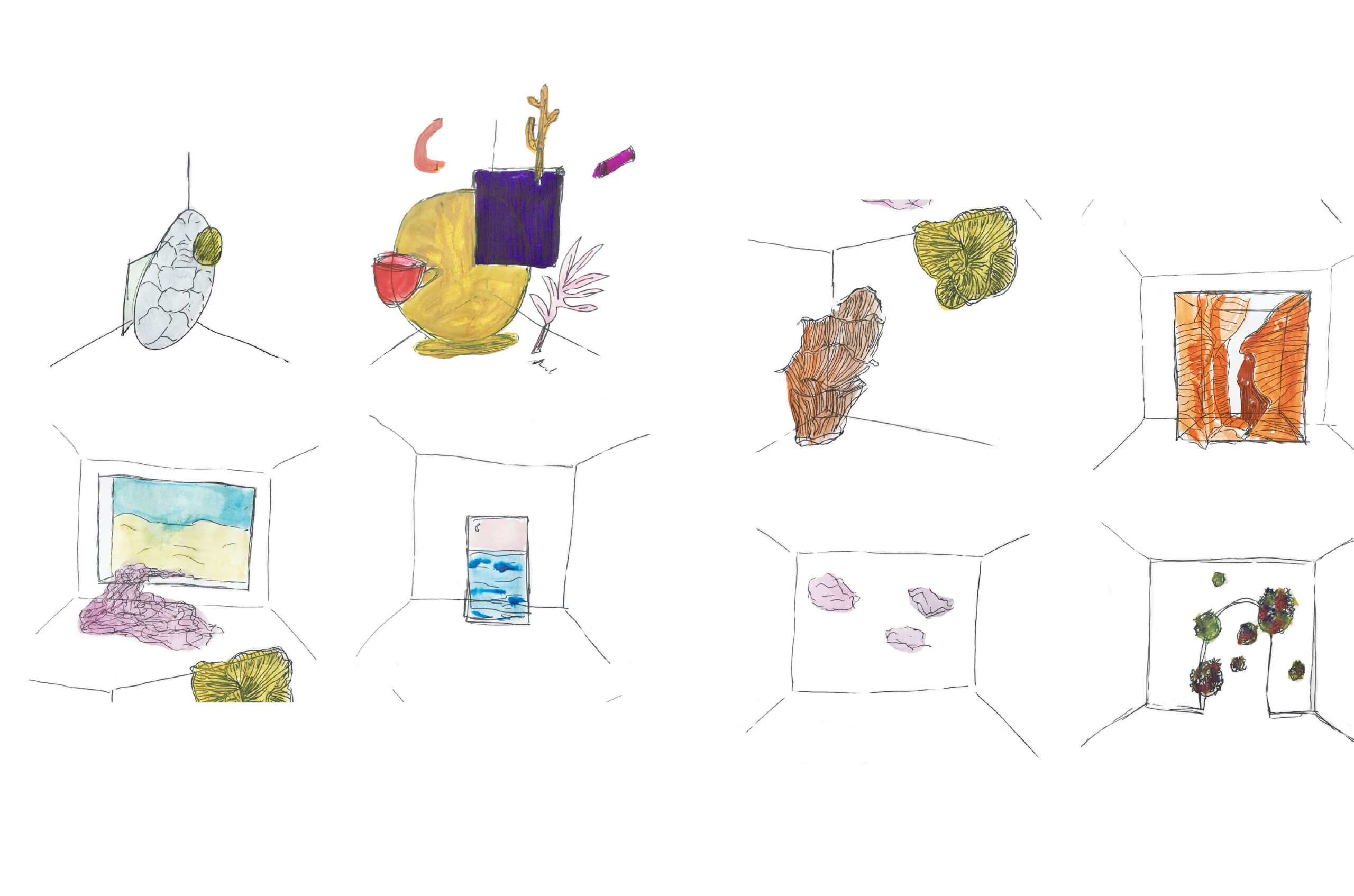
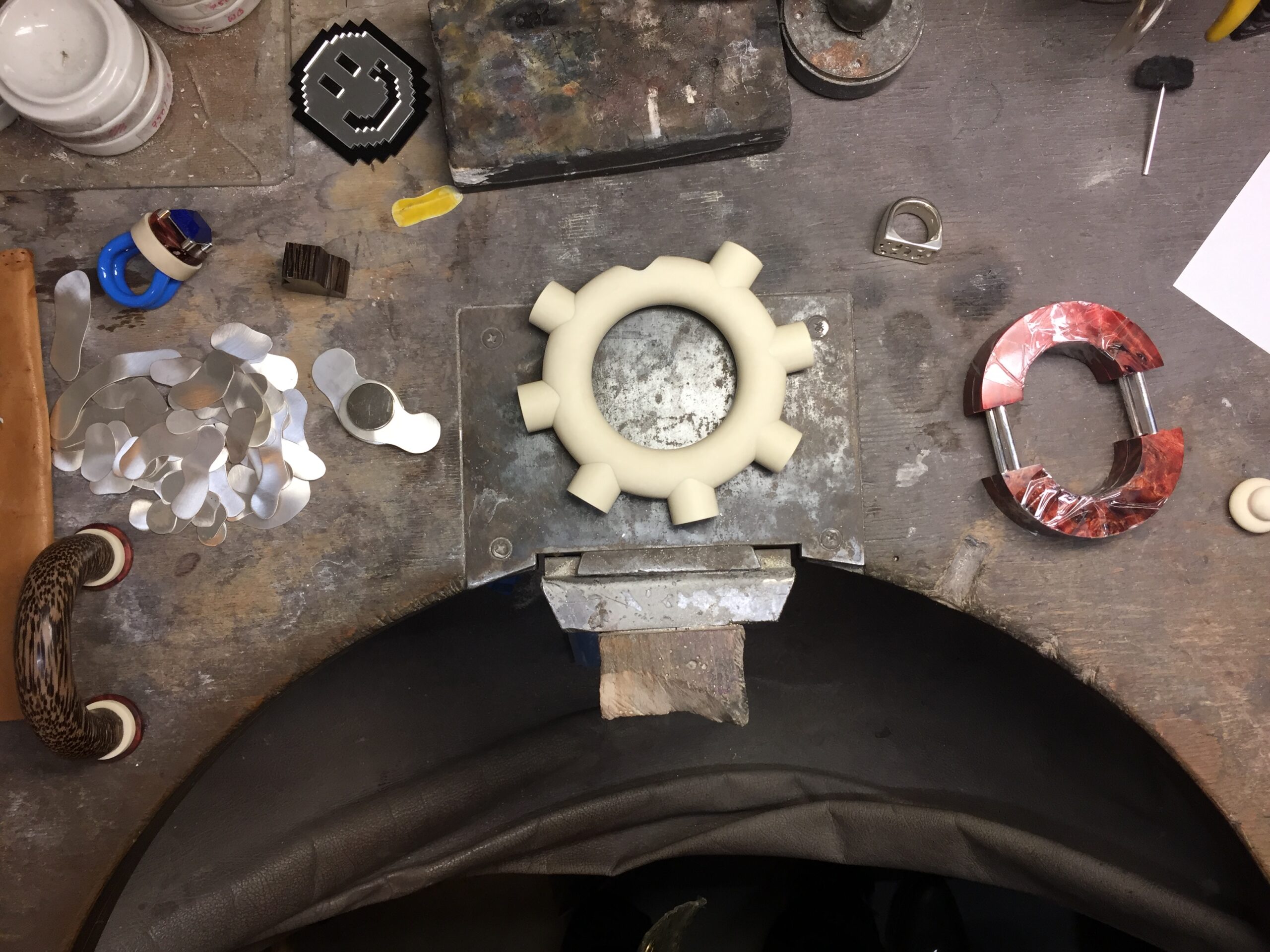
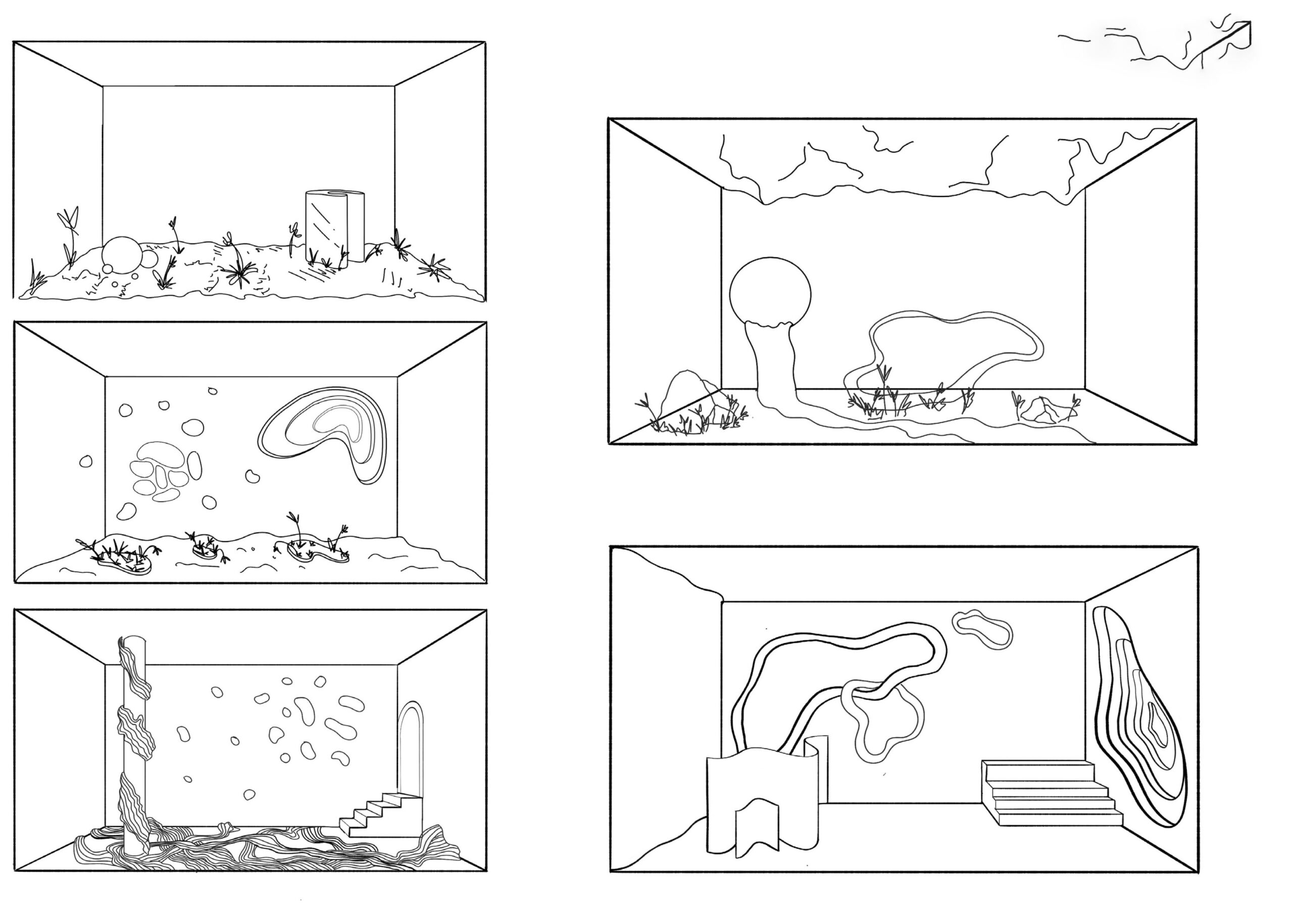
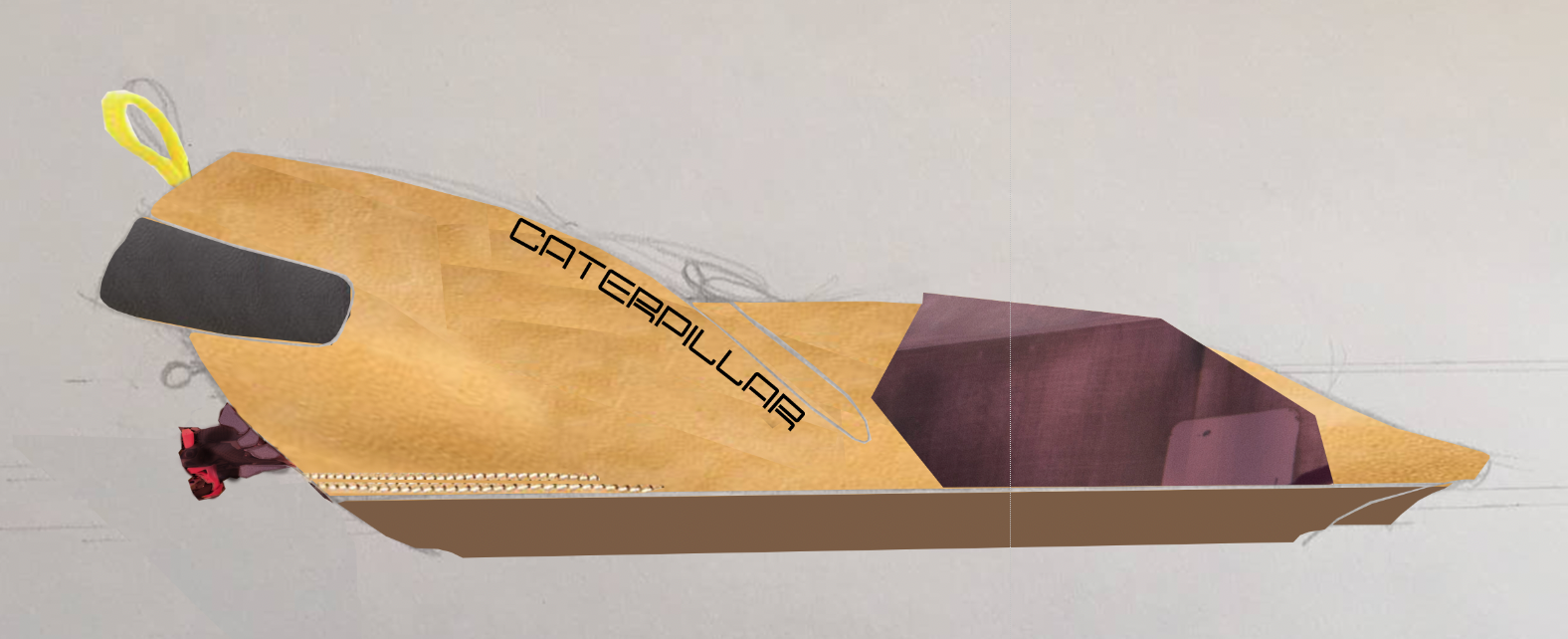

This teaching area focuses on concept development, design methodology and the formation of individual design positions within contemporary design practice. Through thematic design projects, students develop their own ideas while engaging with questions of material, context and communication. Research, experimentation and critical reflection form the basis of the design process, supporting students in articulating, testing and refining their design decisions.
Alongside conceptual development, the courses also engage with presentation, communication and real-world application contexts, connecting experimental processes with questions of audience, use and professional practice.
See also: