3D Scanning, Visualisation & Rapid Prototyping
Digital Technologies
Material, Form & Digital Transformation
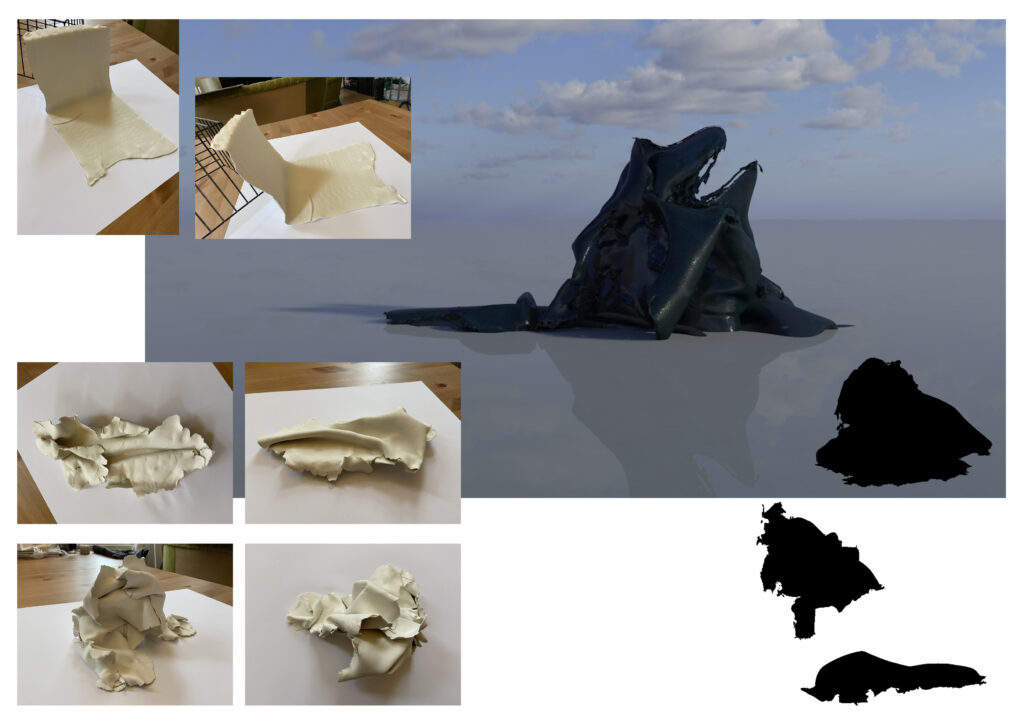
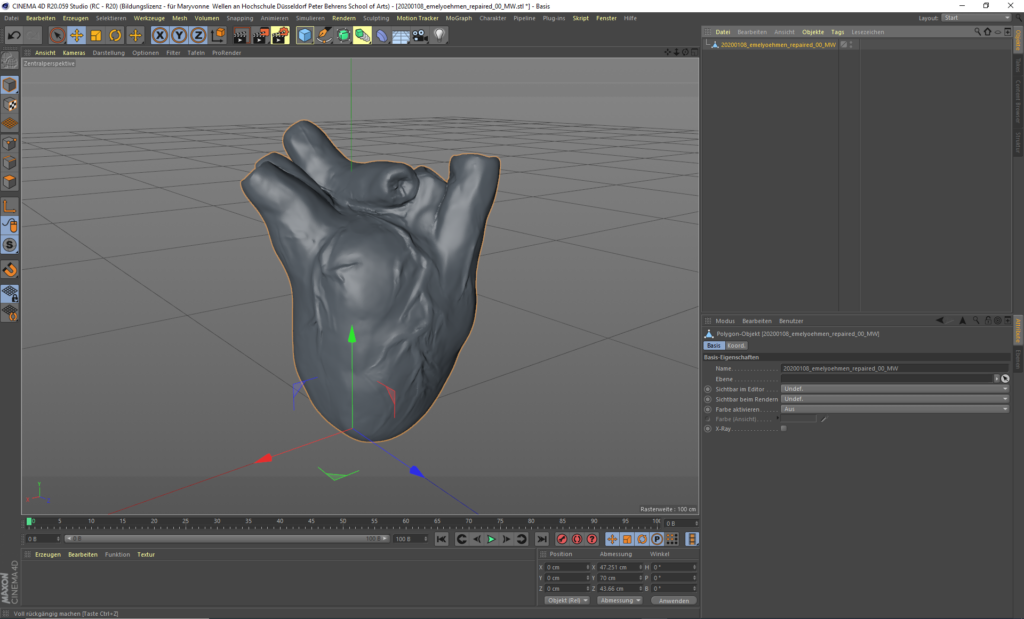
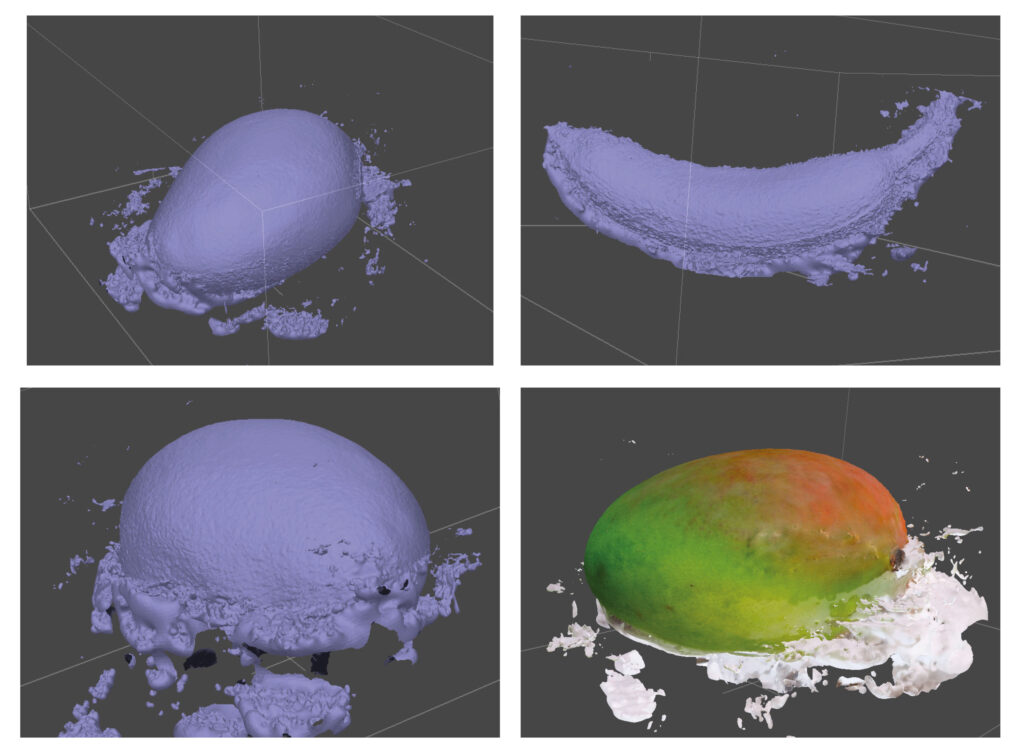
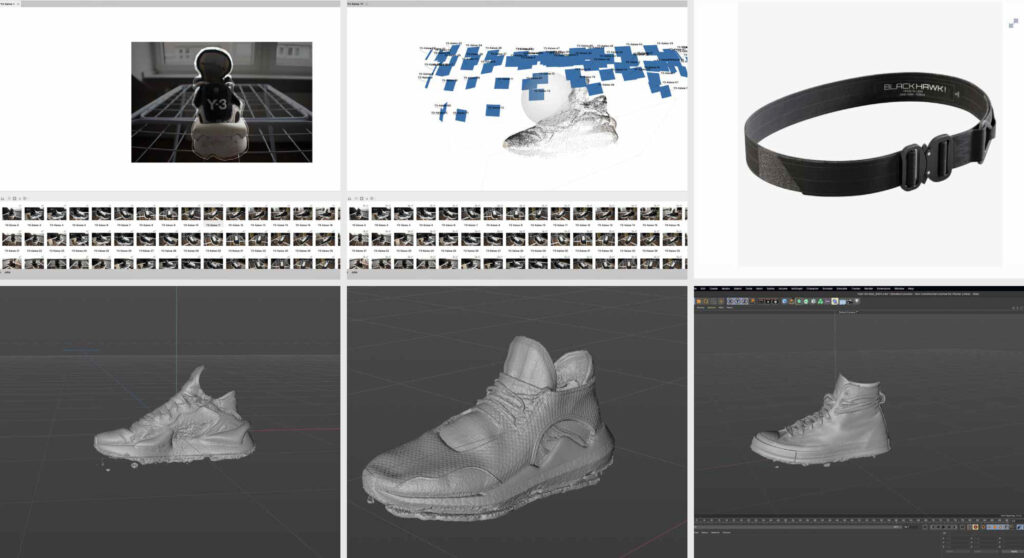
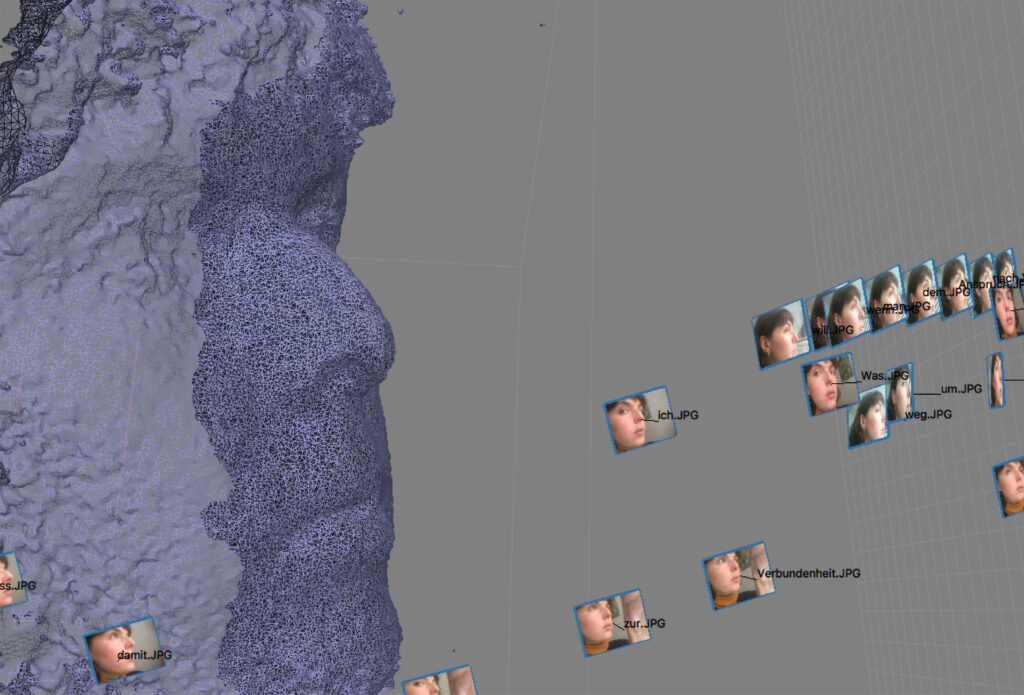
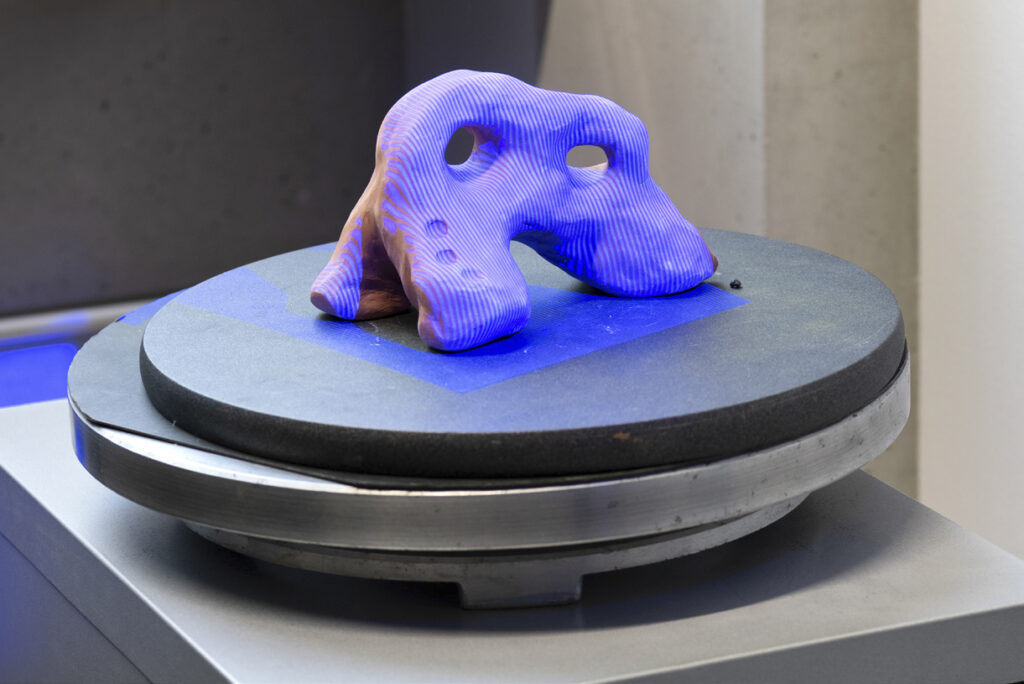
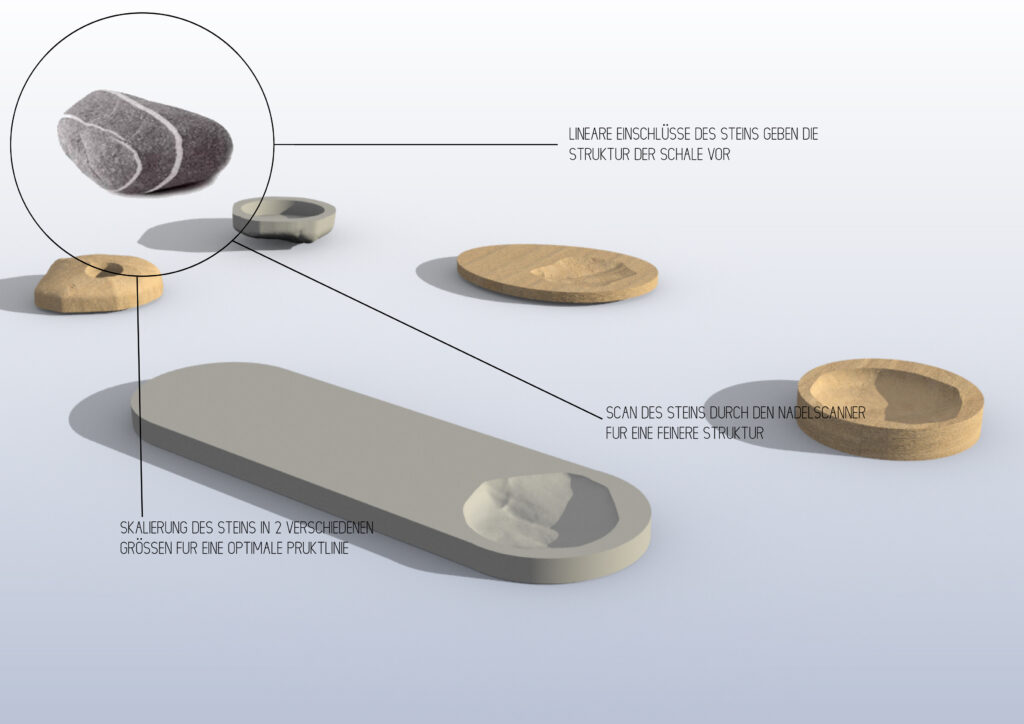
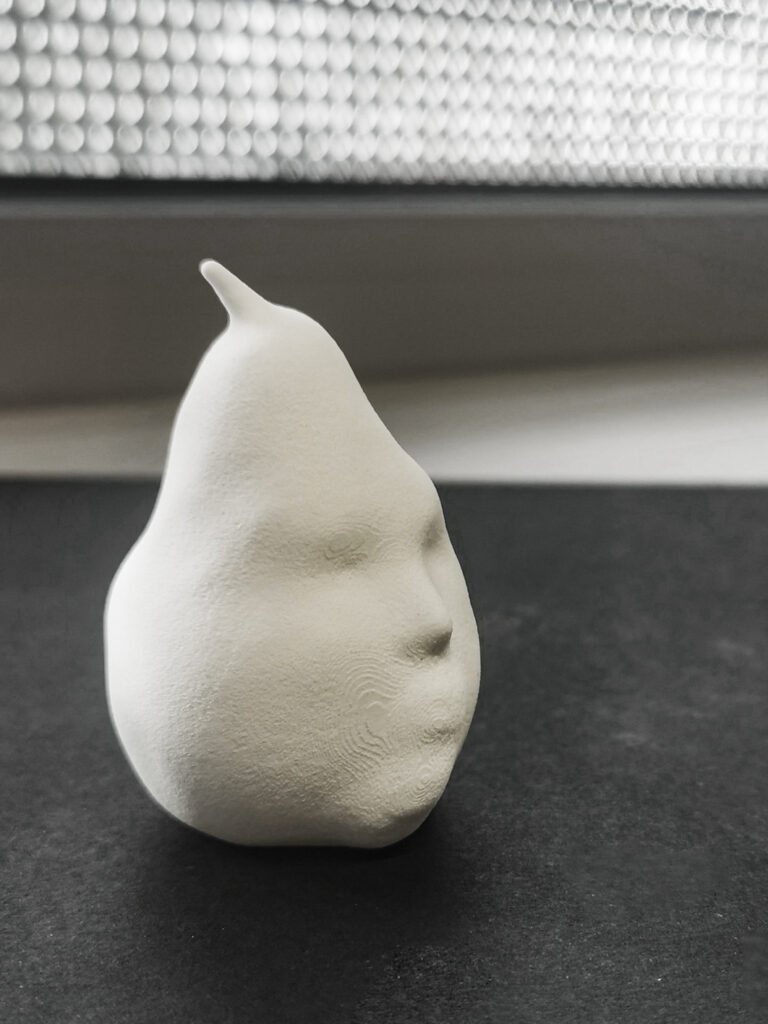
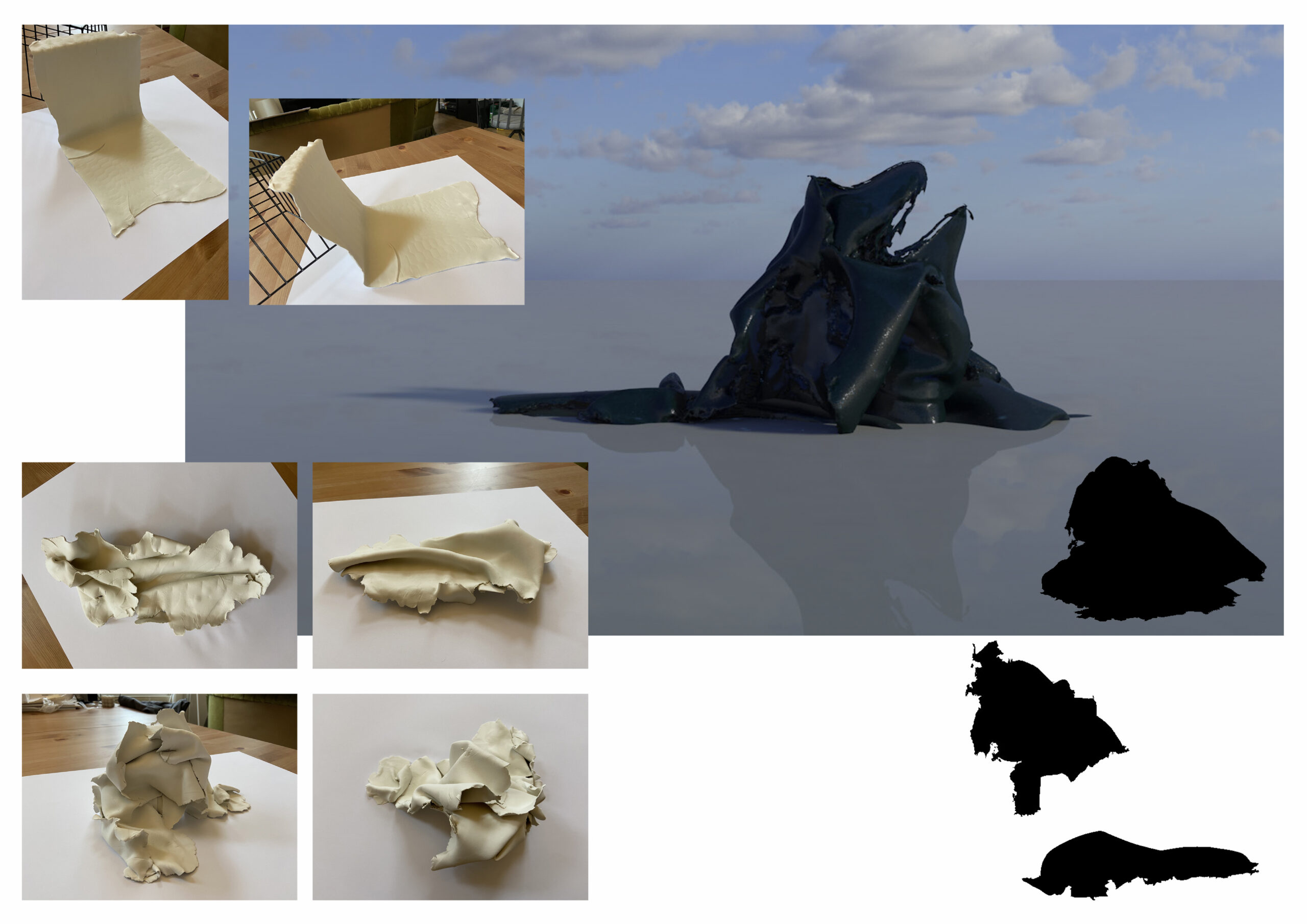
Students investigate how physical objects, spaces and materials can be translated into digital environments through 3D scanning, photogrammetry and digital modelling. Courses often begin with students digitising own models and objects-trouve, allowing different scanning technologies to be compared while revealing their respective possibilities and limitations. In KICKS, students used scans of their own shoes as the starting point for digital transformation and further design development.

Digital Data as Design Material
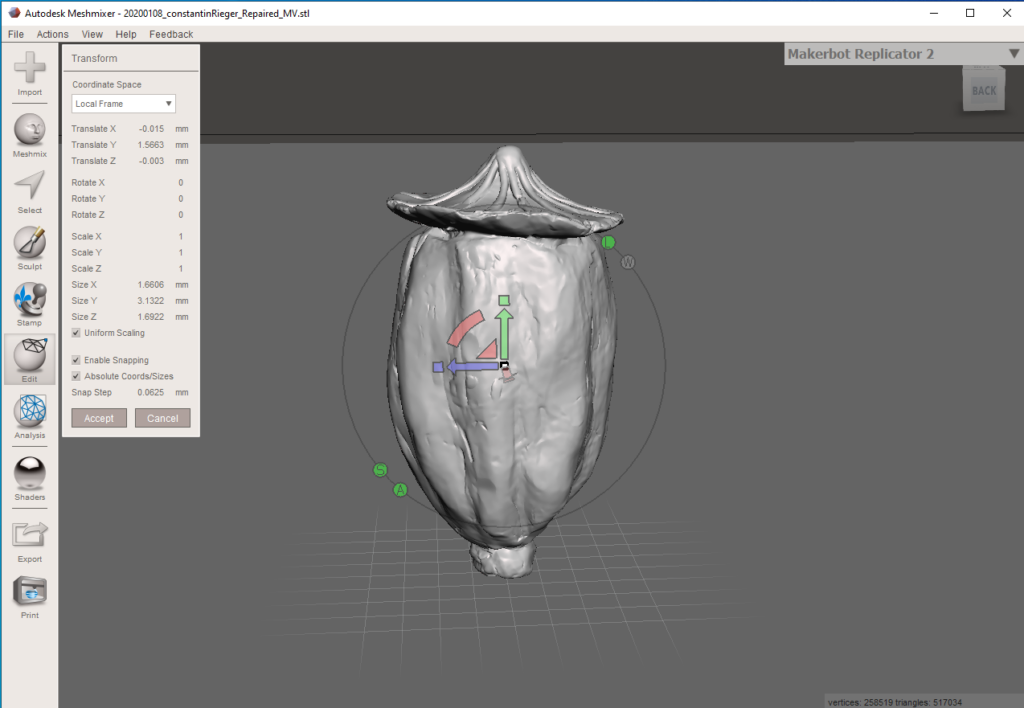
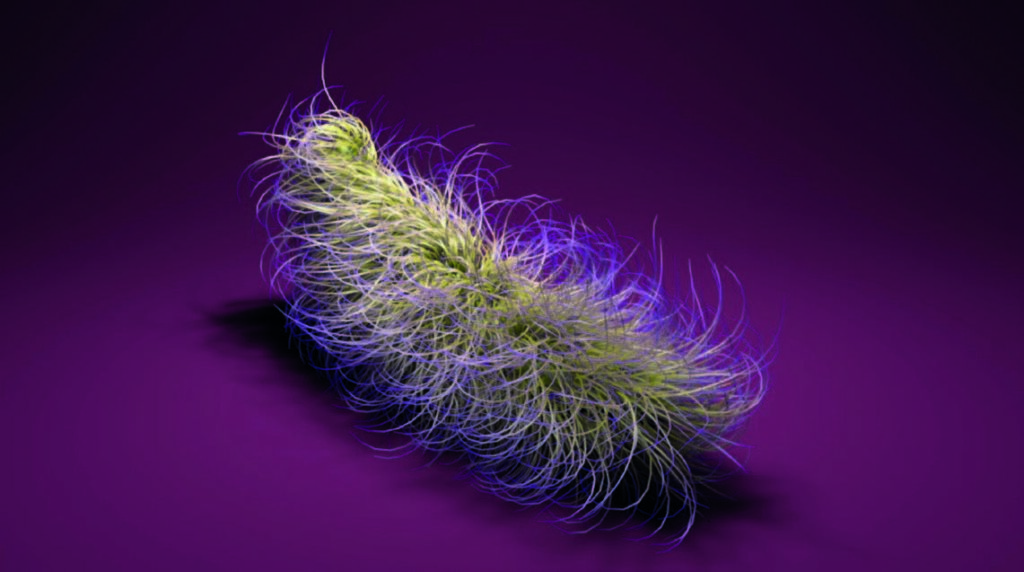
3D digitisation is approached as the beginning of a transformation rather than an end in itself. Students explore digital data as design material: something that can be interpreted, manipulated, combined and translated into new forms. Depending on the project, these processes lead towards digital manufacturing, mould-making, visualisation, animation, virtual environments or back into physical materials and objects.
By moving between different workflows and forms of realisation, students develop an understanding of how technical decisions influence form, material and meaning. Digital tools are therefore introduced not as isolated software skills, but as creative media that can be critically and purposefully integrated into an individual design process.



3D SCAN & CAD LAB — Teaching, Experimentation & Collaboration
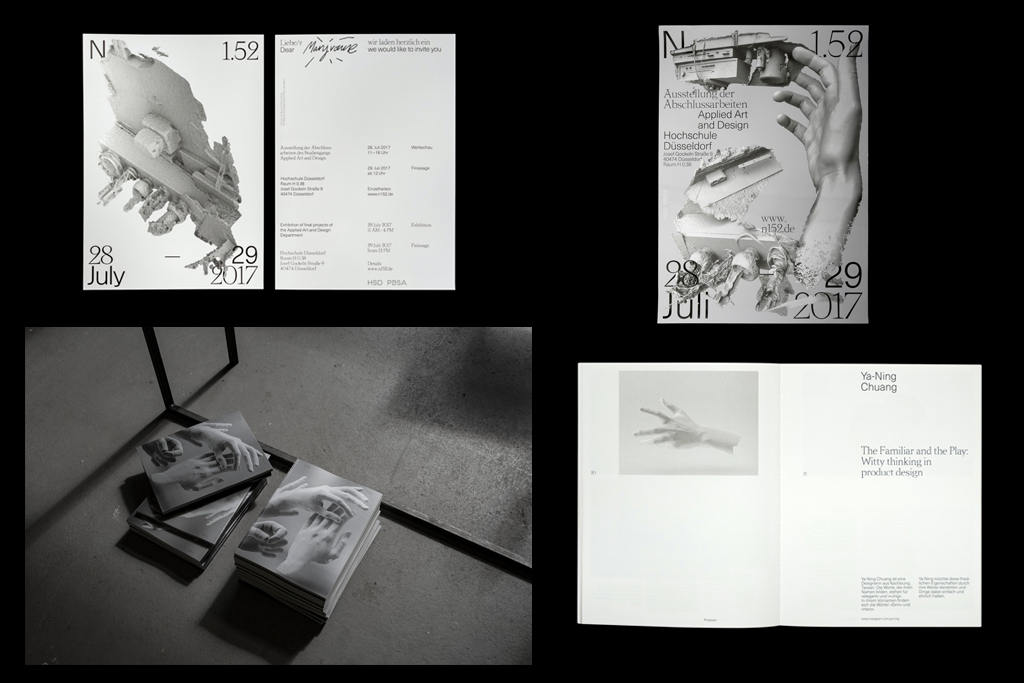
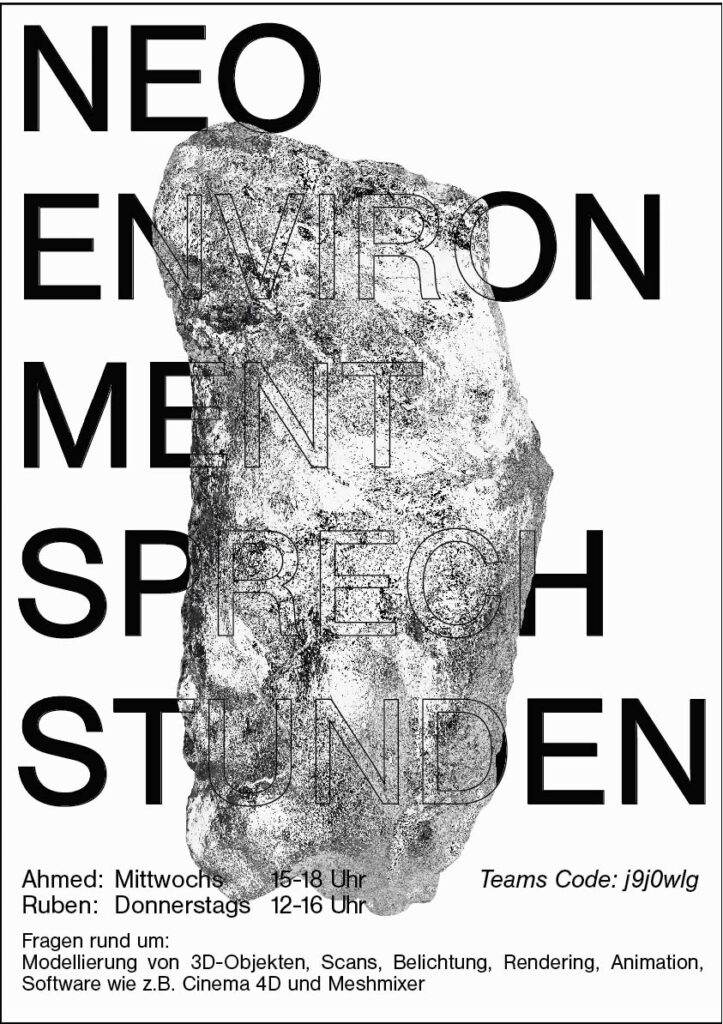
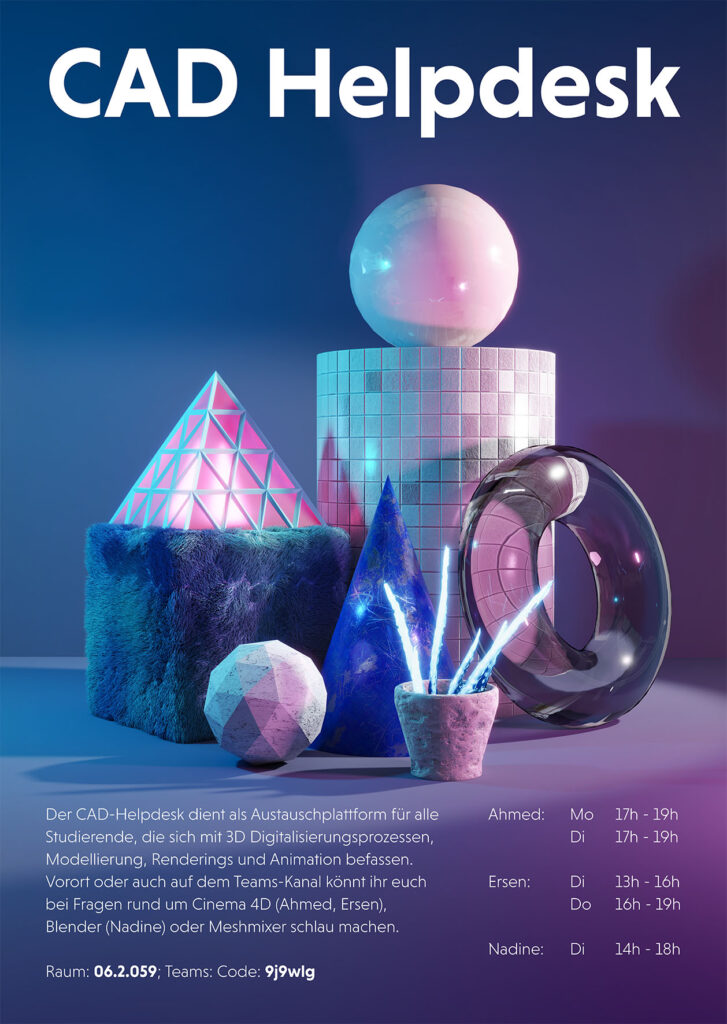
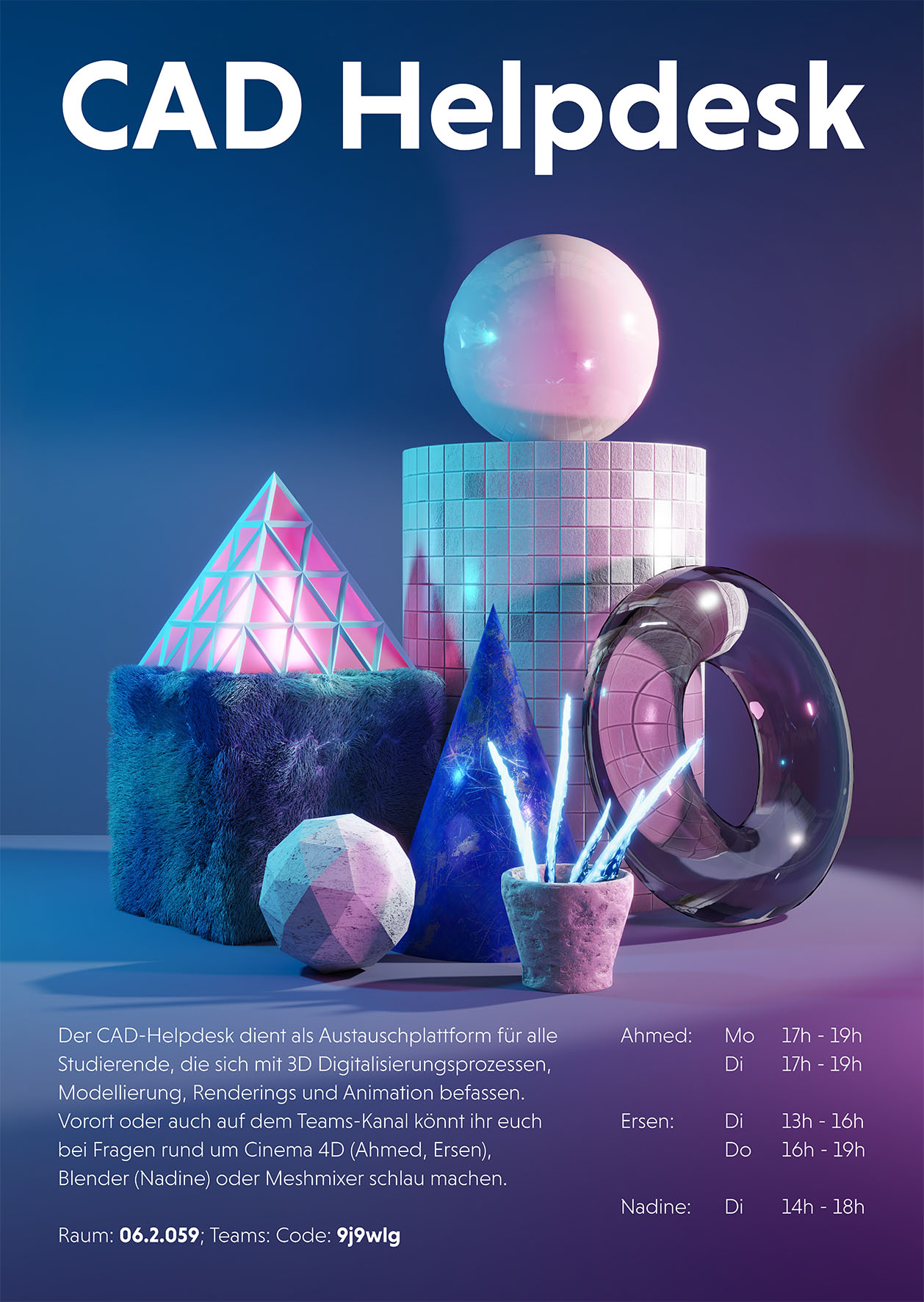
Alongside my courses, I established and led the 3D Scan & CAD Laboratory as an open, shared environment for teaching, experimentation and interdisciplinary project development across the Design Department. I developed and maintained its technical infrastructure, coordinated tutor support and day-to-day access, and advised students on integrating 3D digitisation, modelling, visualisation and digital production into semester and graduation projects.
Rather than functioning solely as a technical facility, the laboratory provided a space in which digital expertise could connect with material experimentation, workshop practice and individual design questions. It supported students at different levels of experience and enabled methods and knowledge to circulate across courses and disciplines.

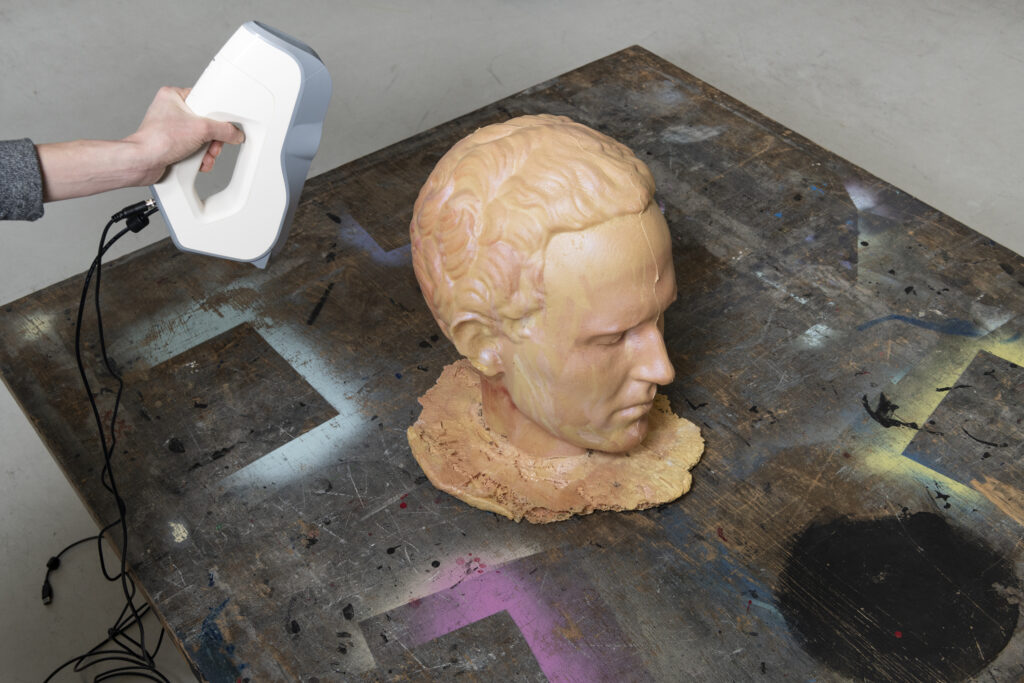


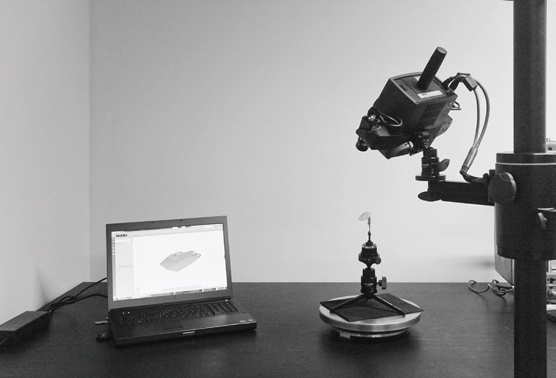
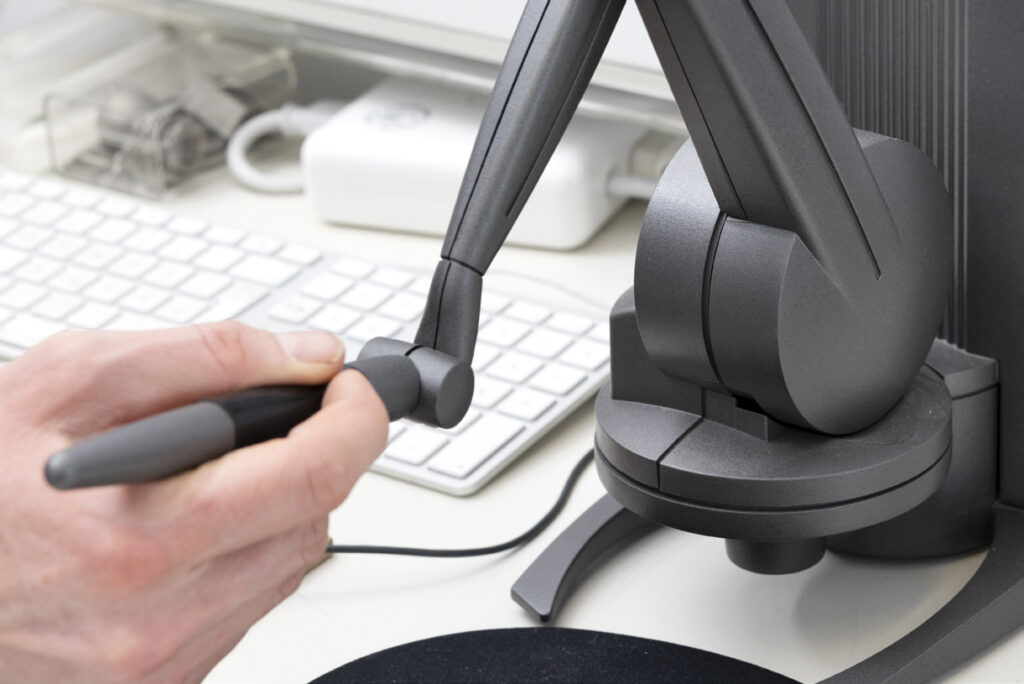
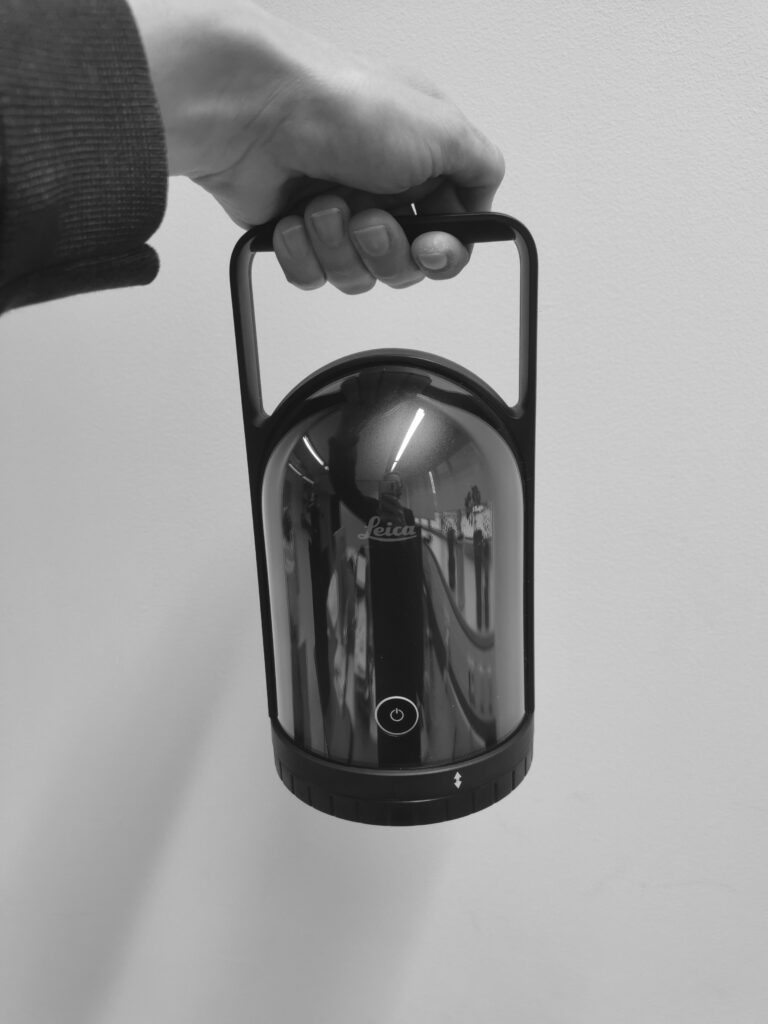
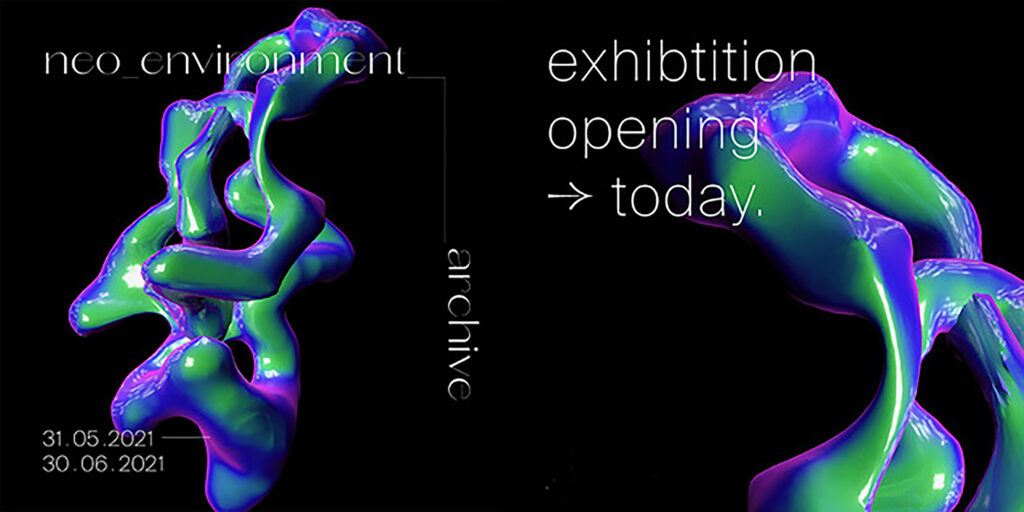

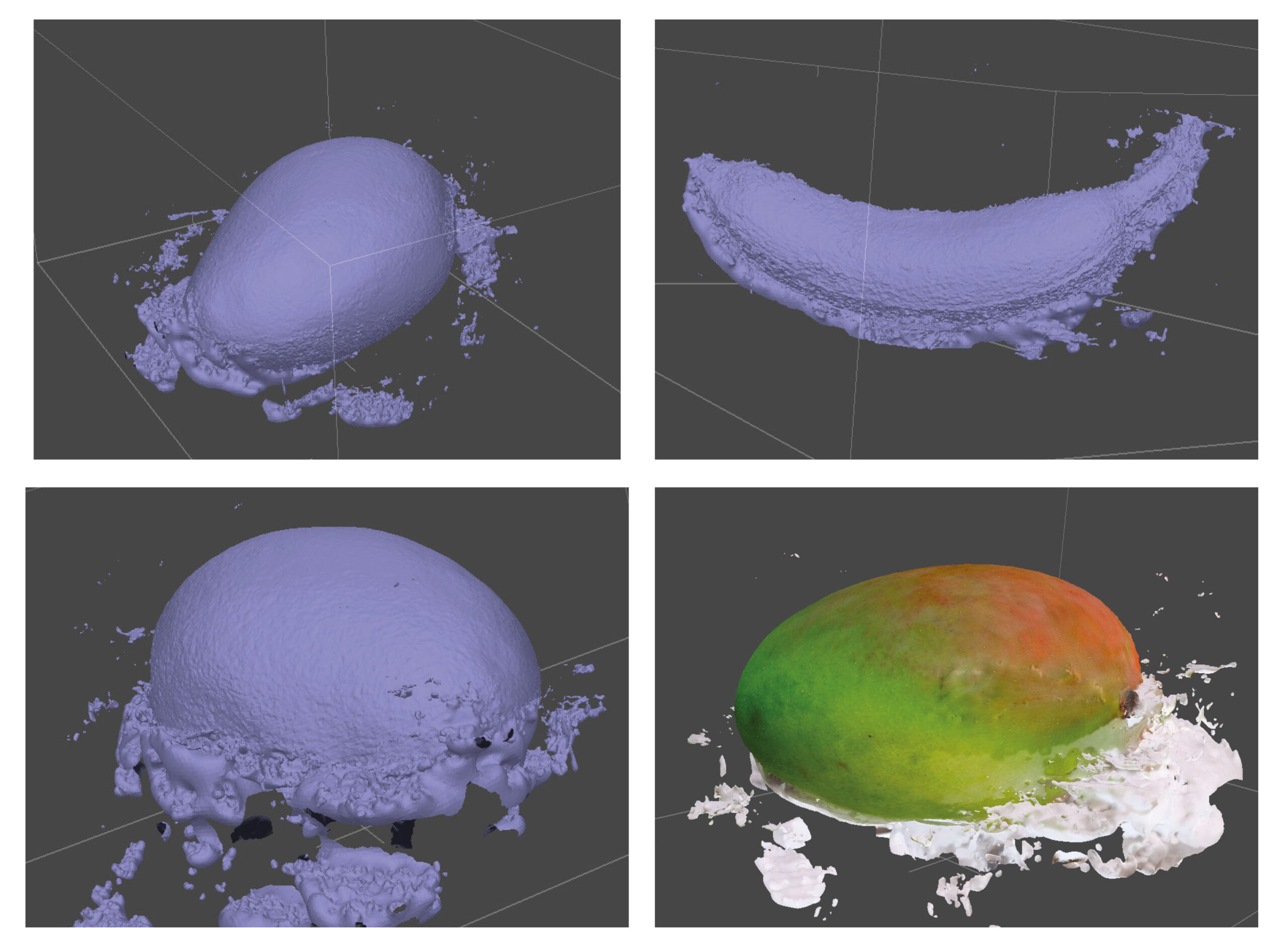
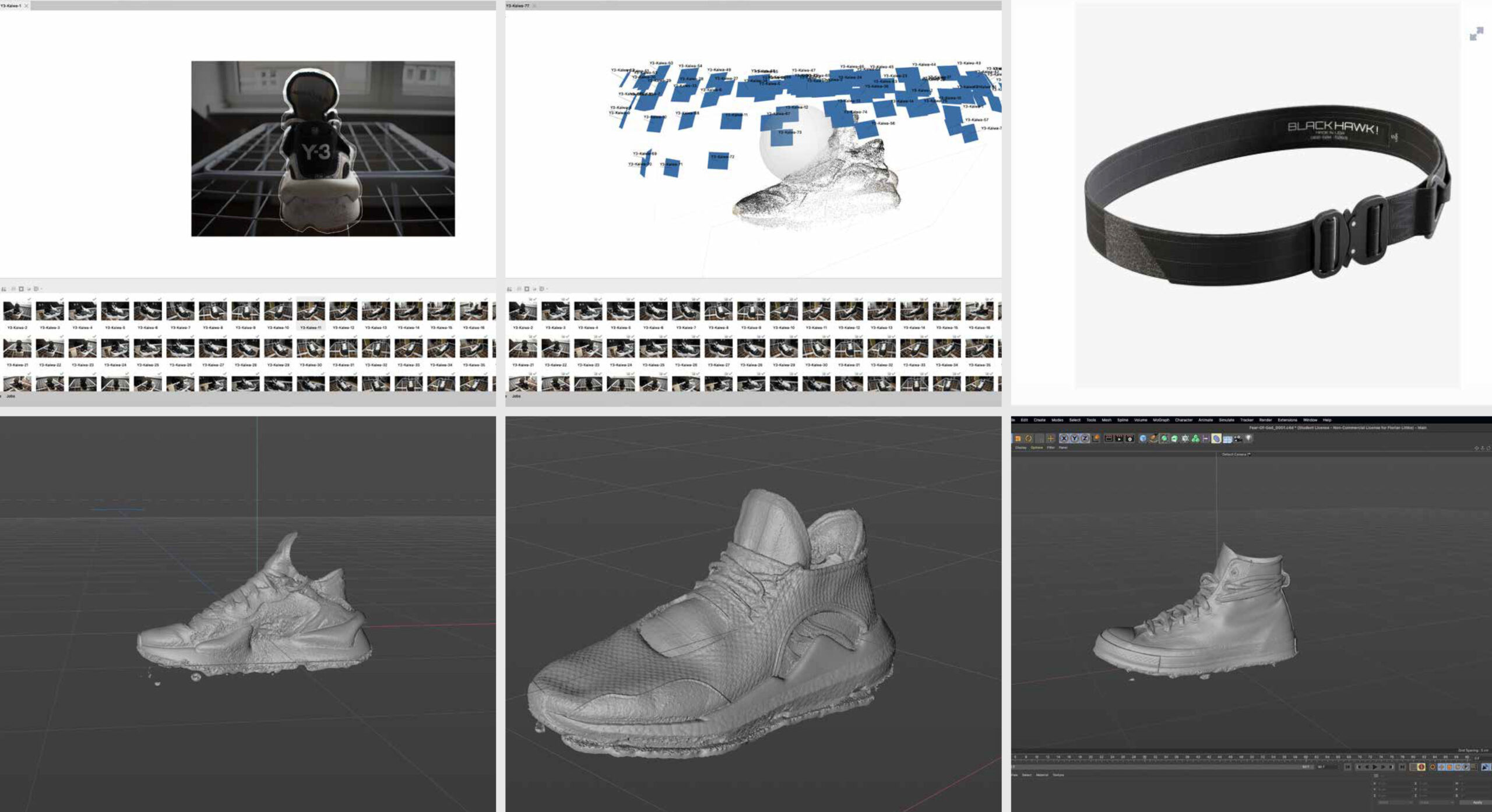
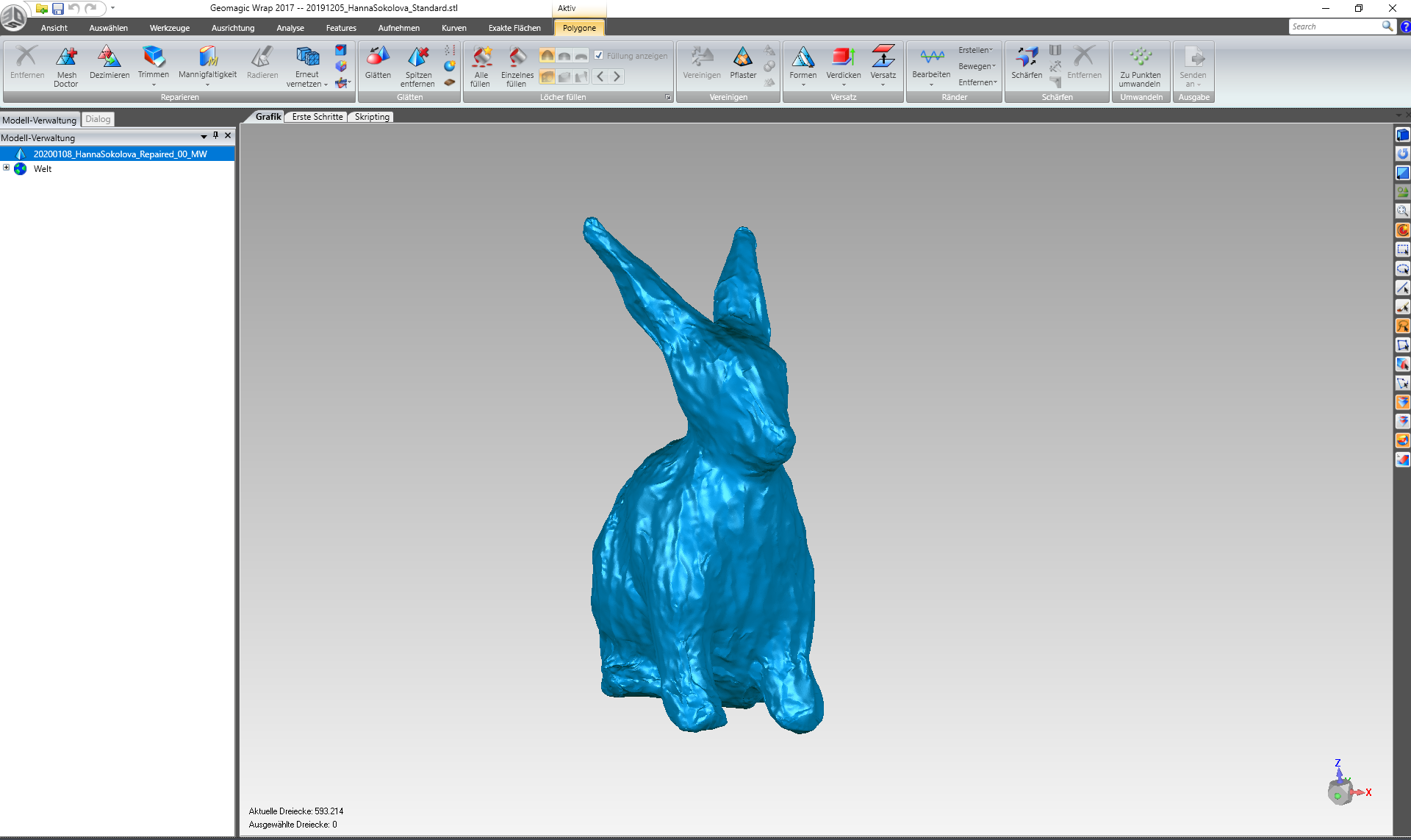
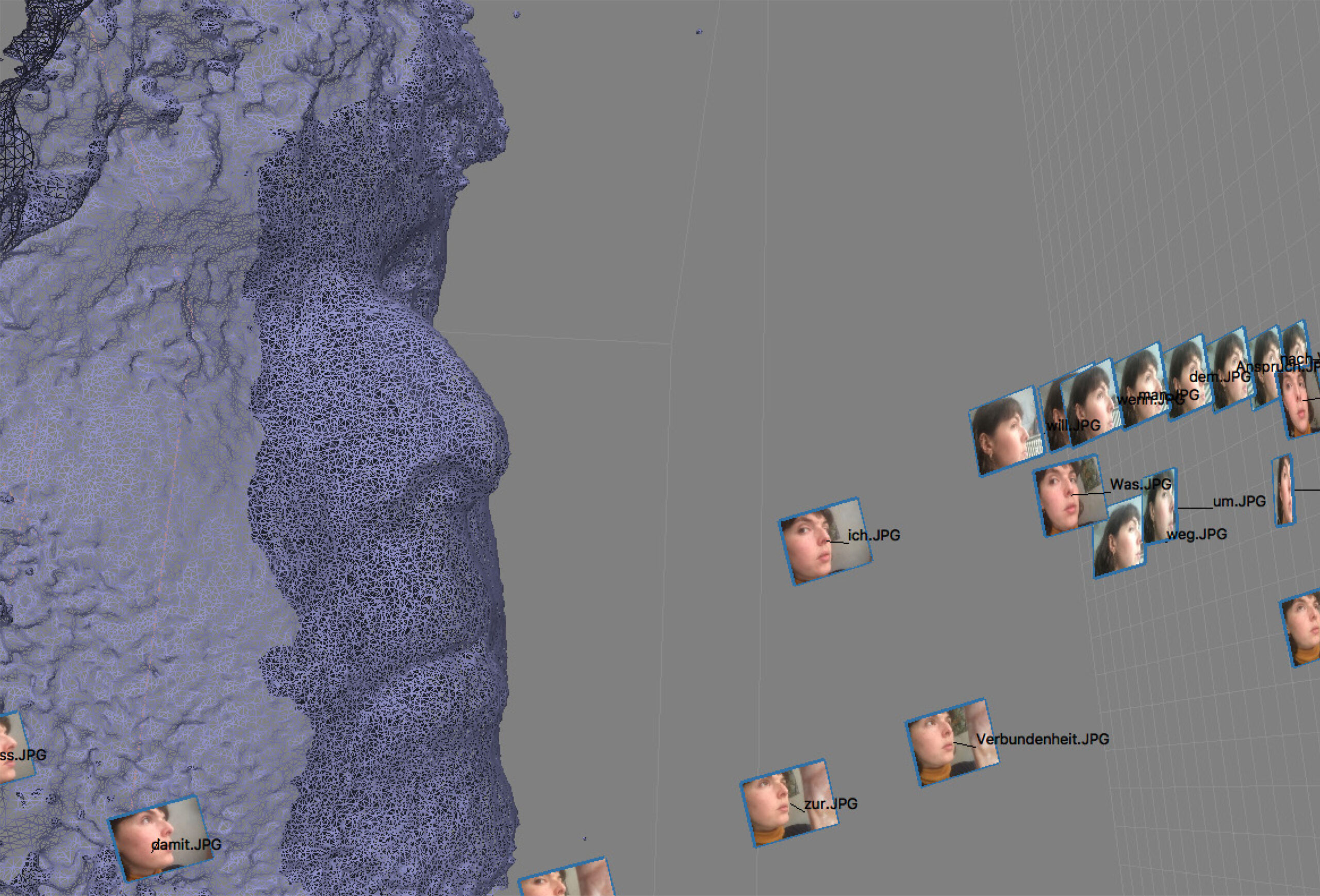
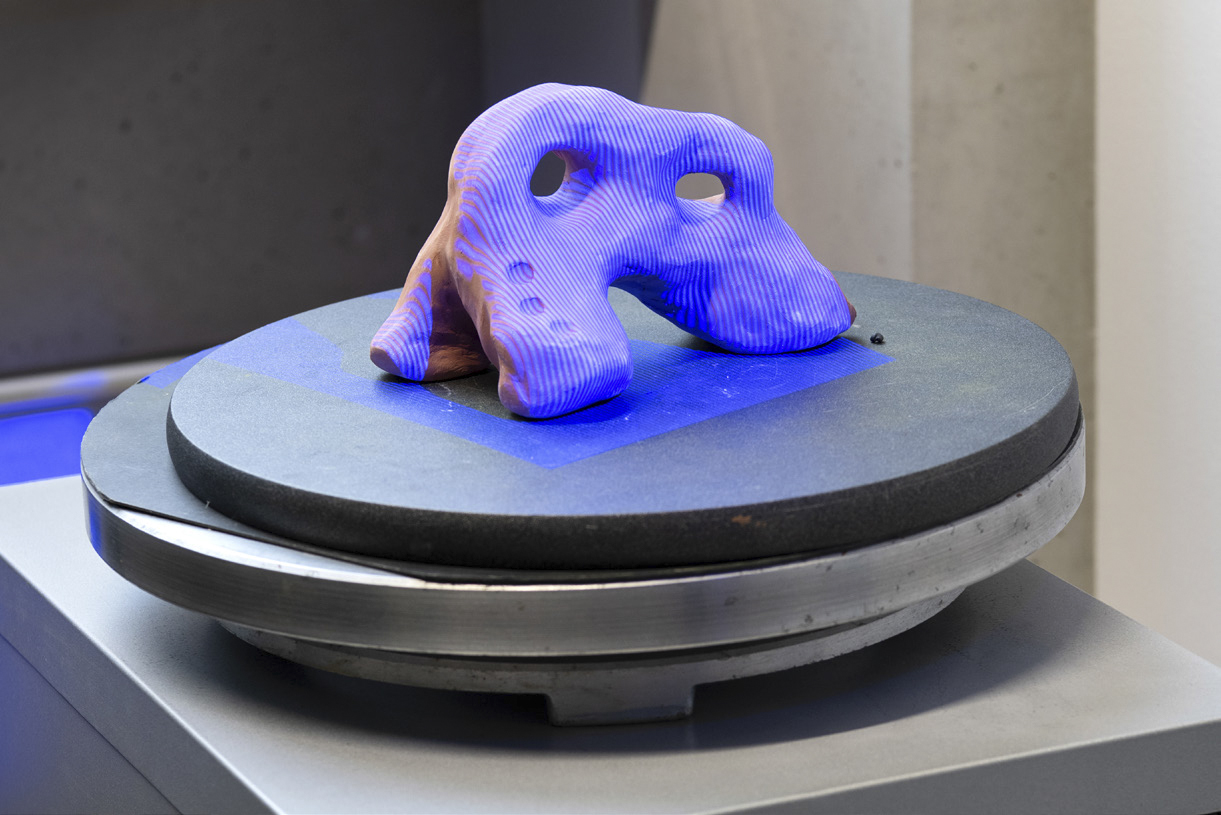
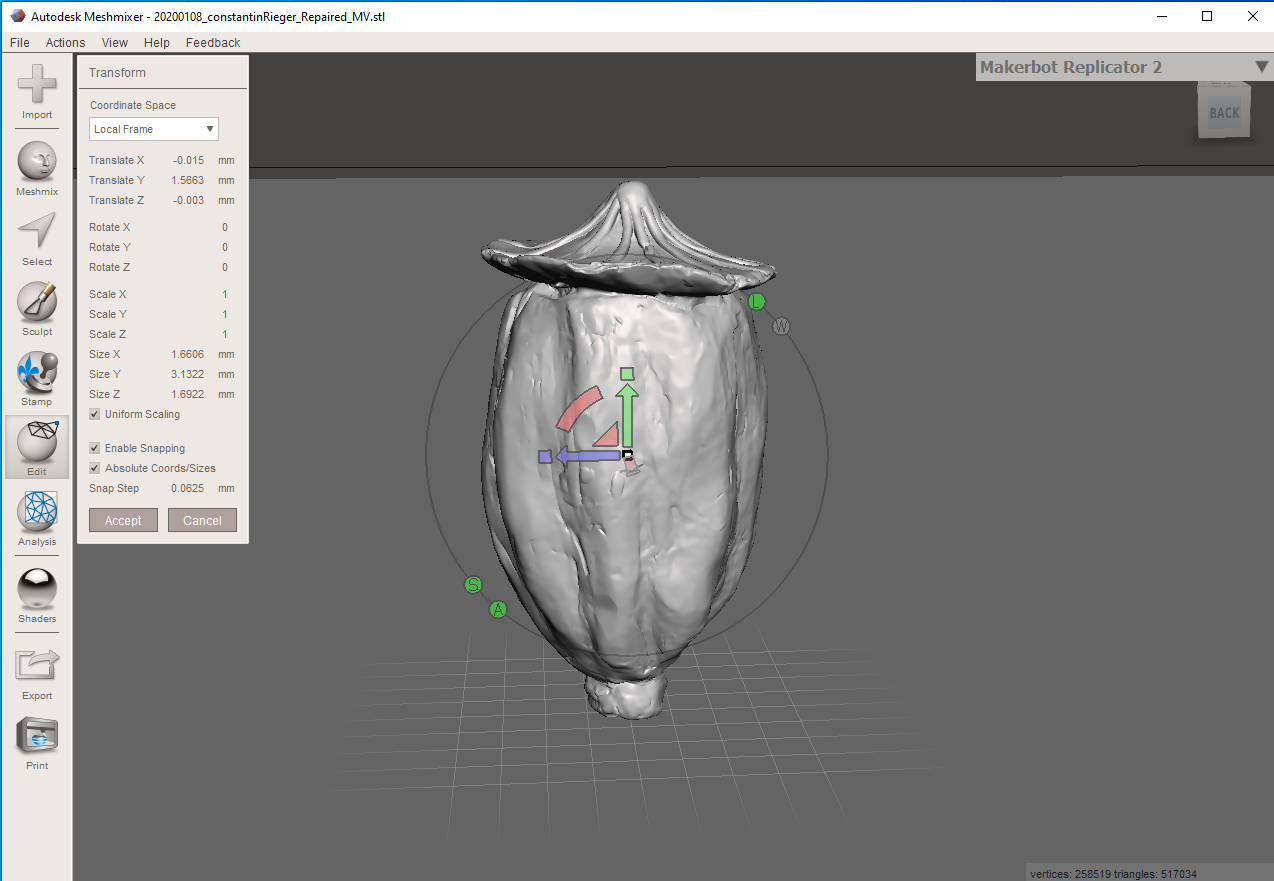
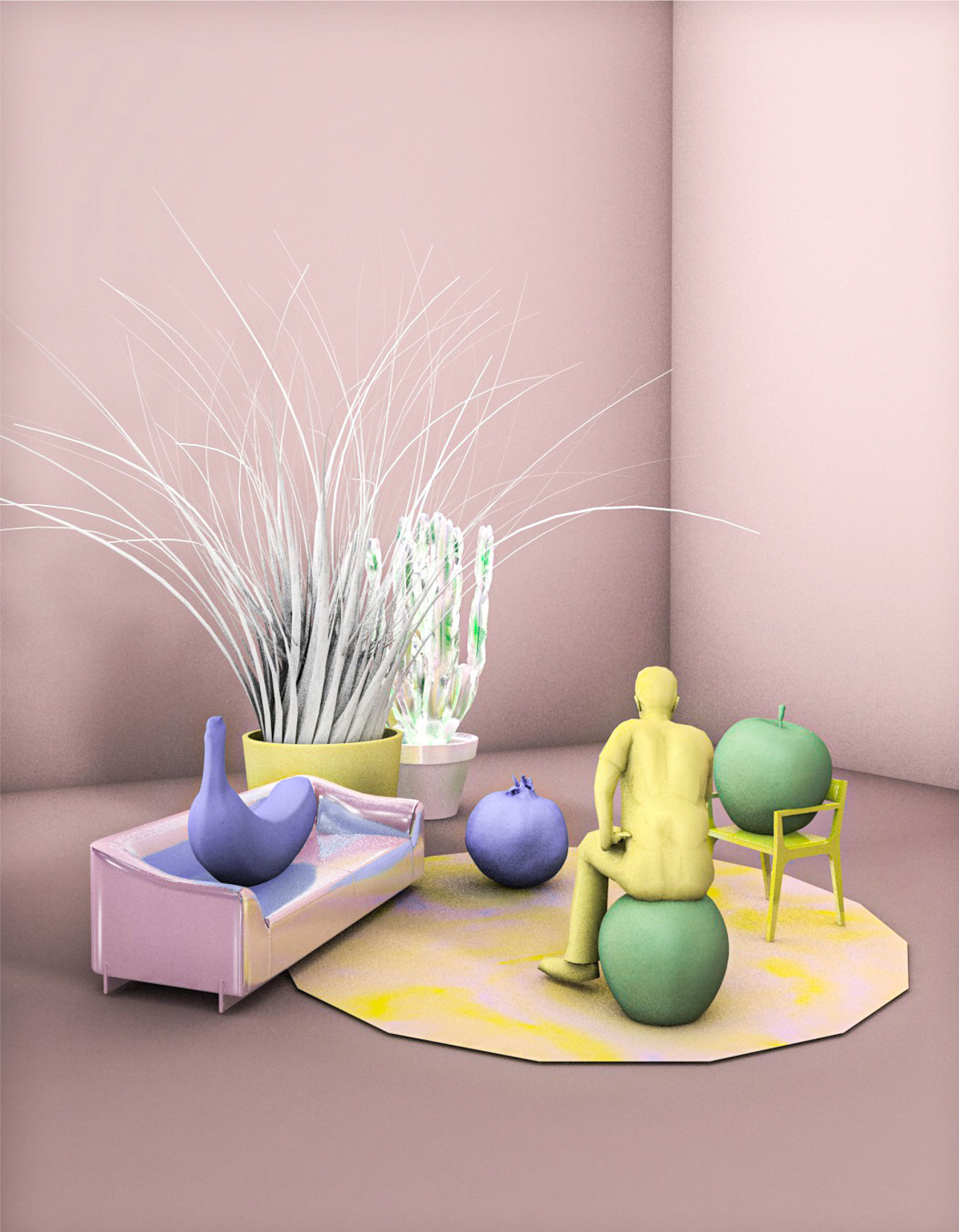
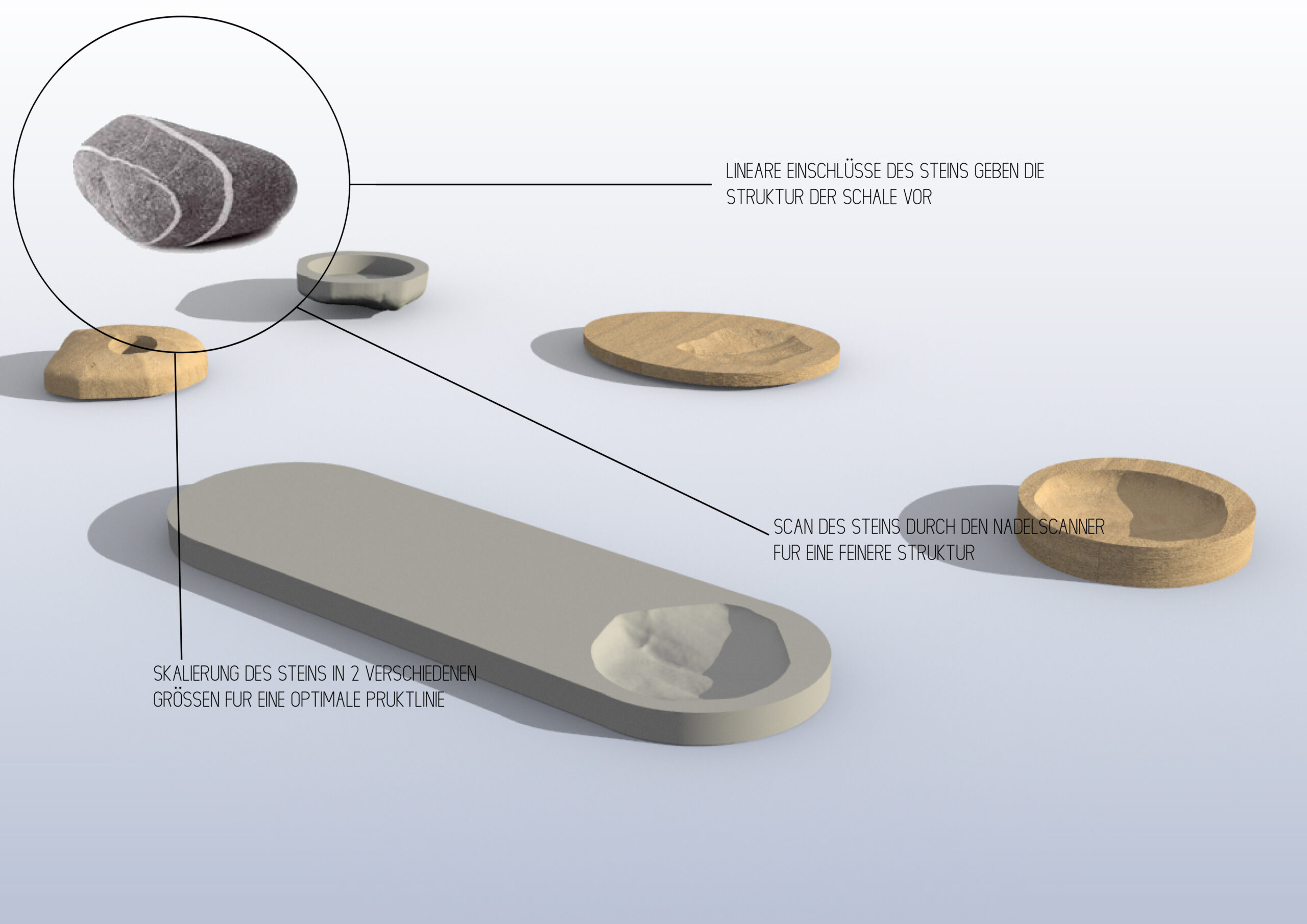
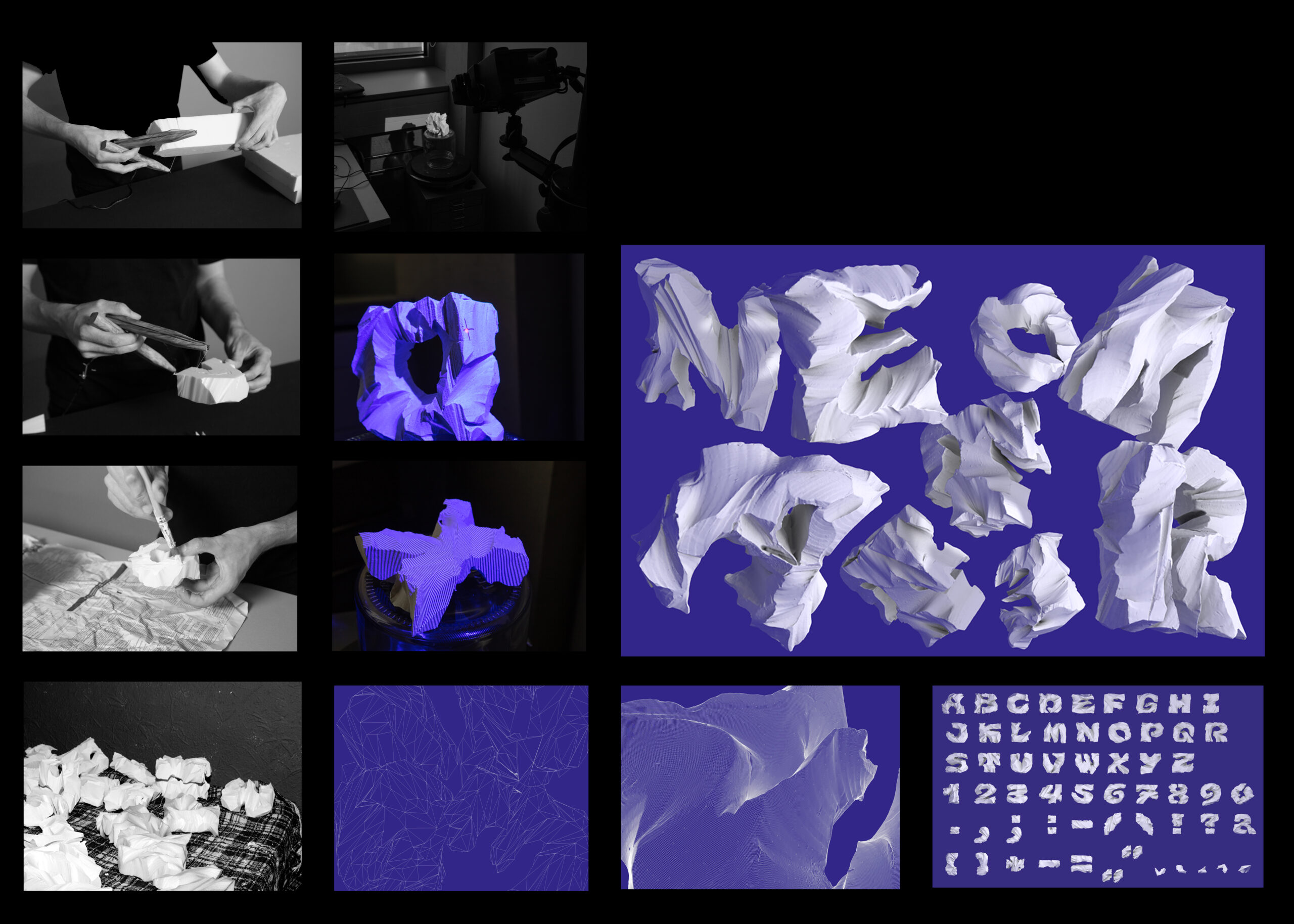
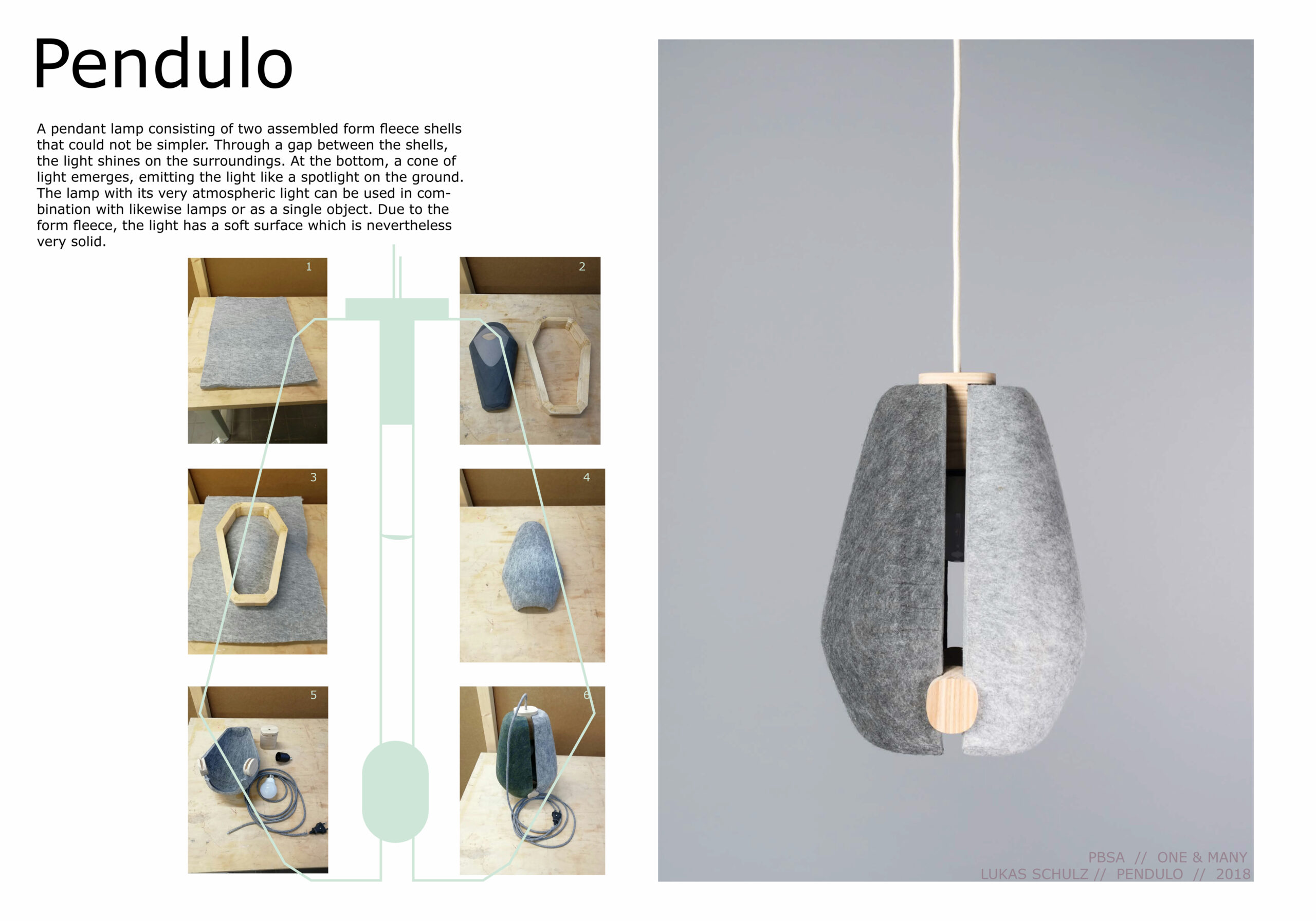
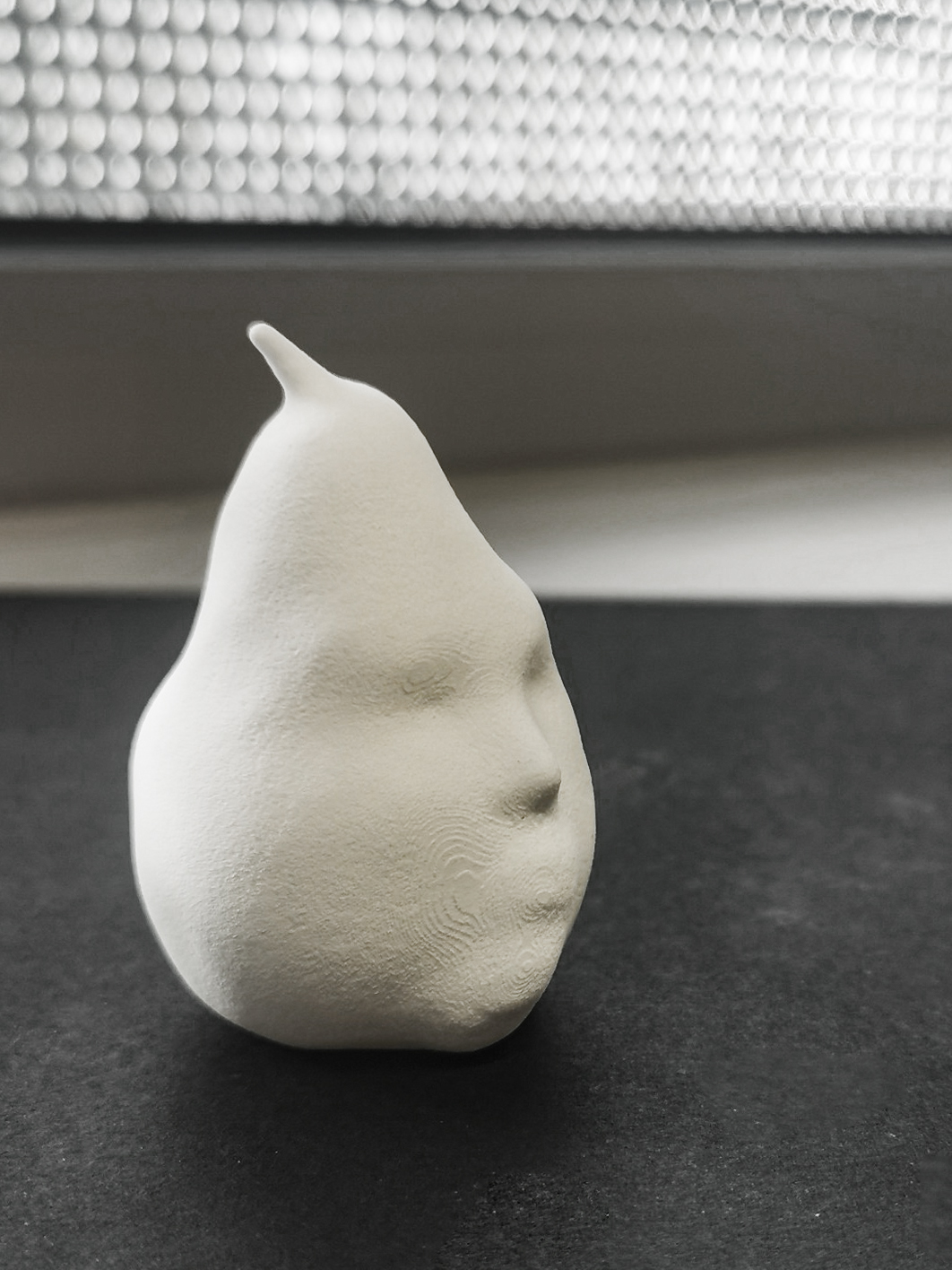


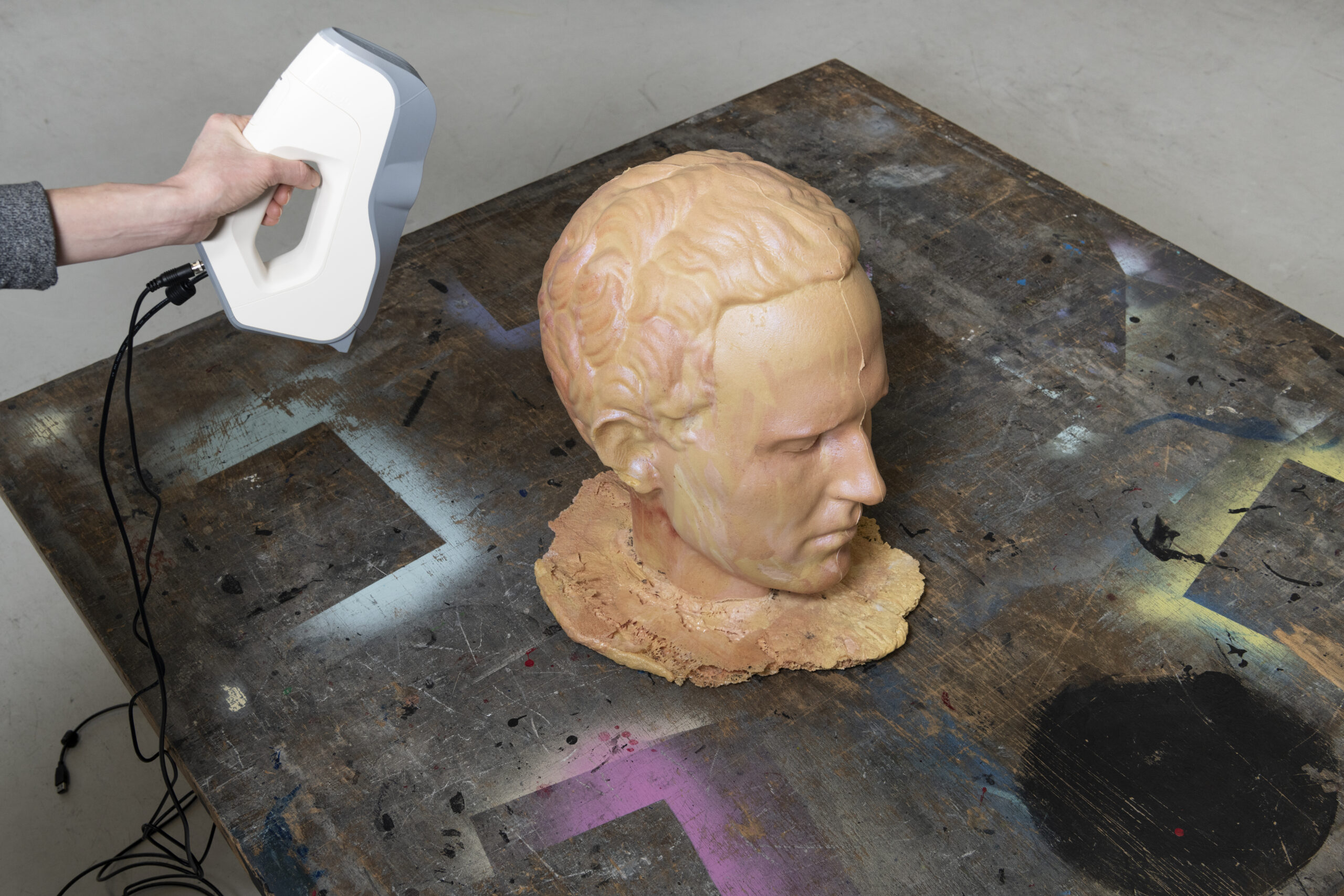
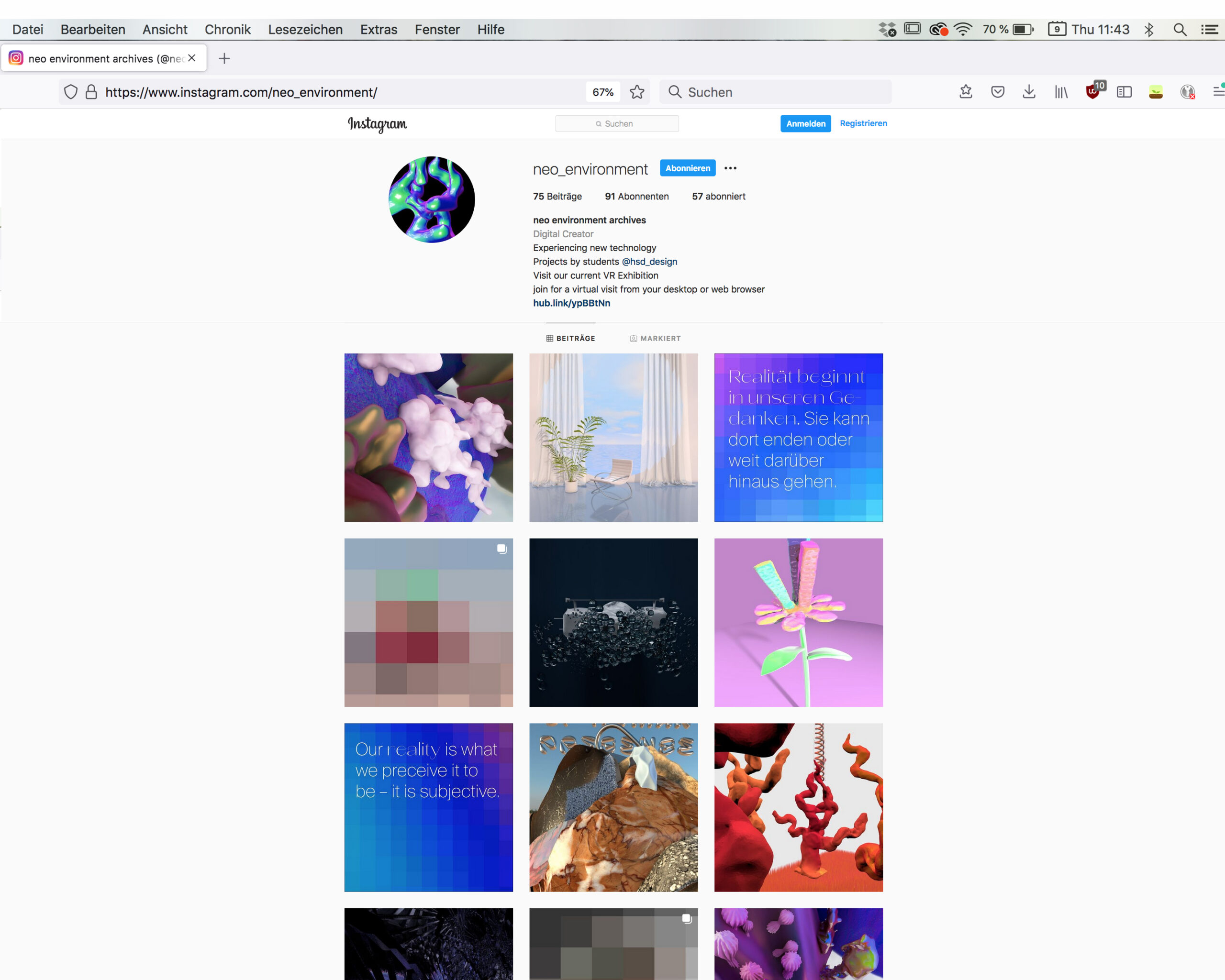
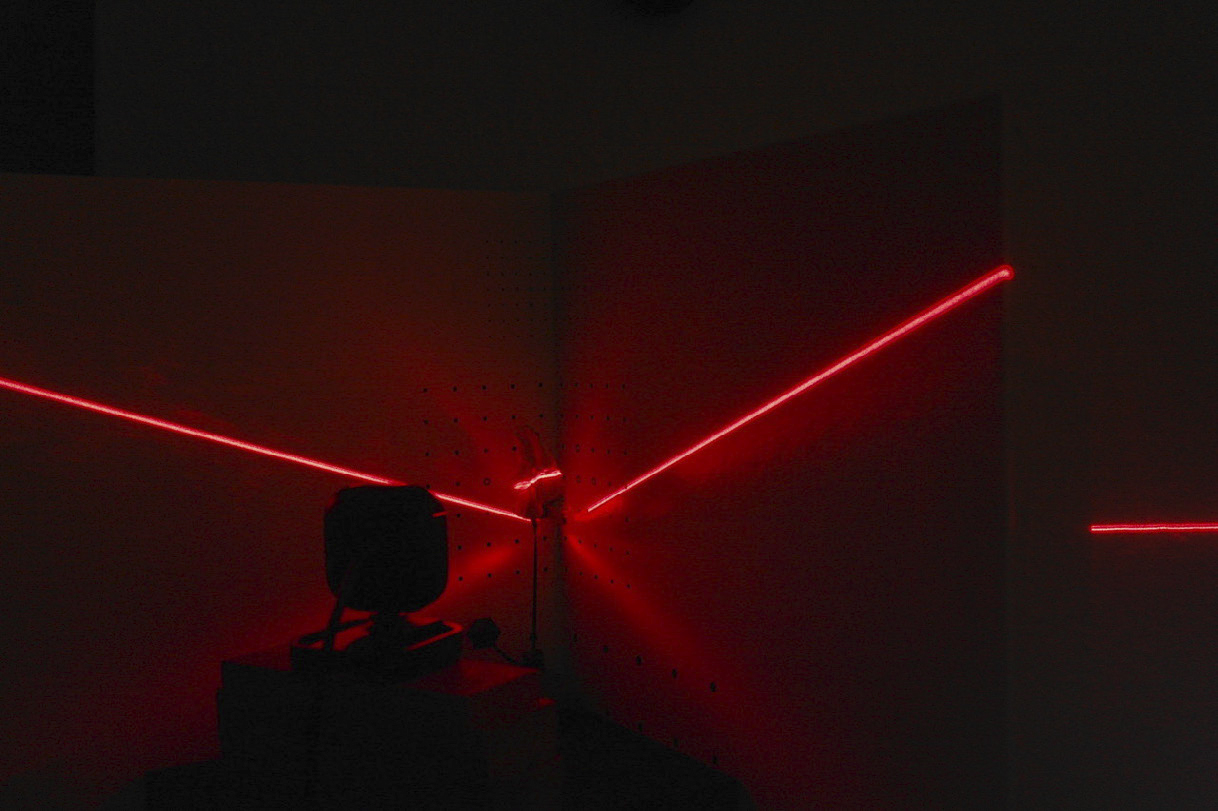
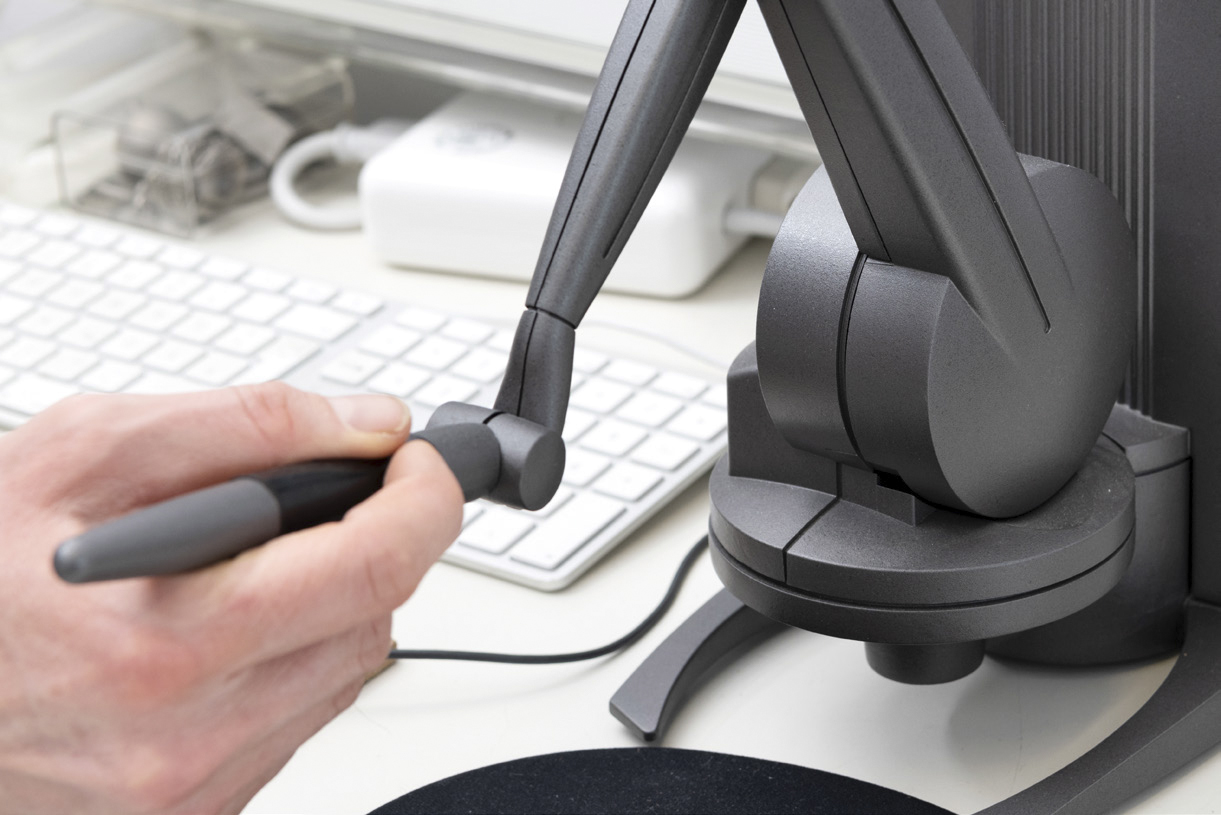
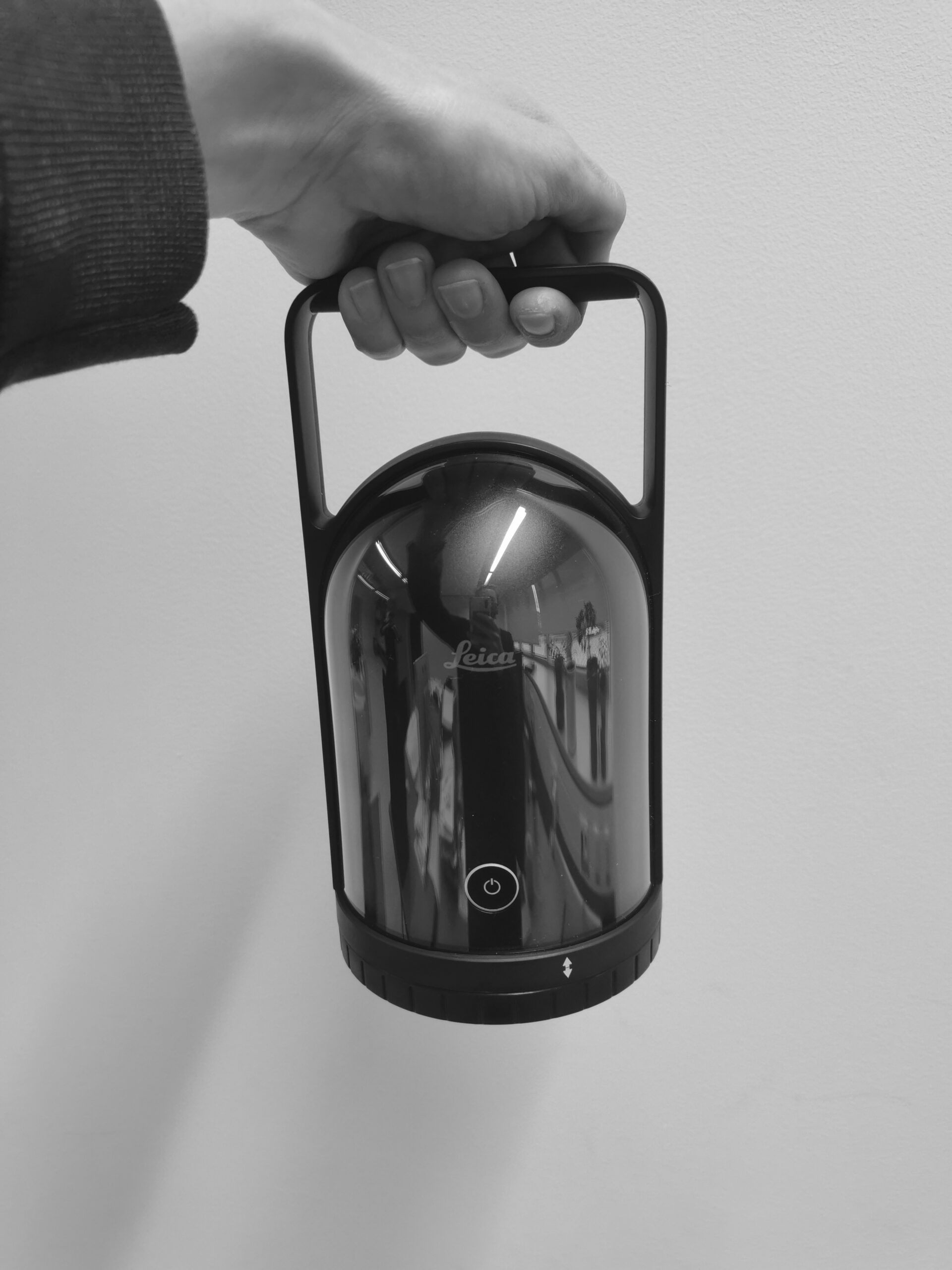
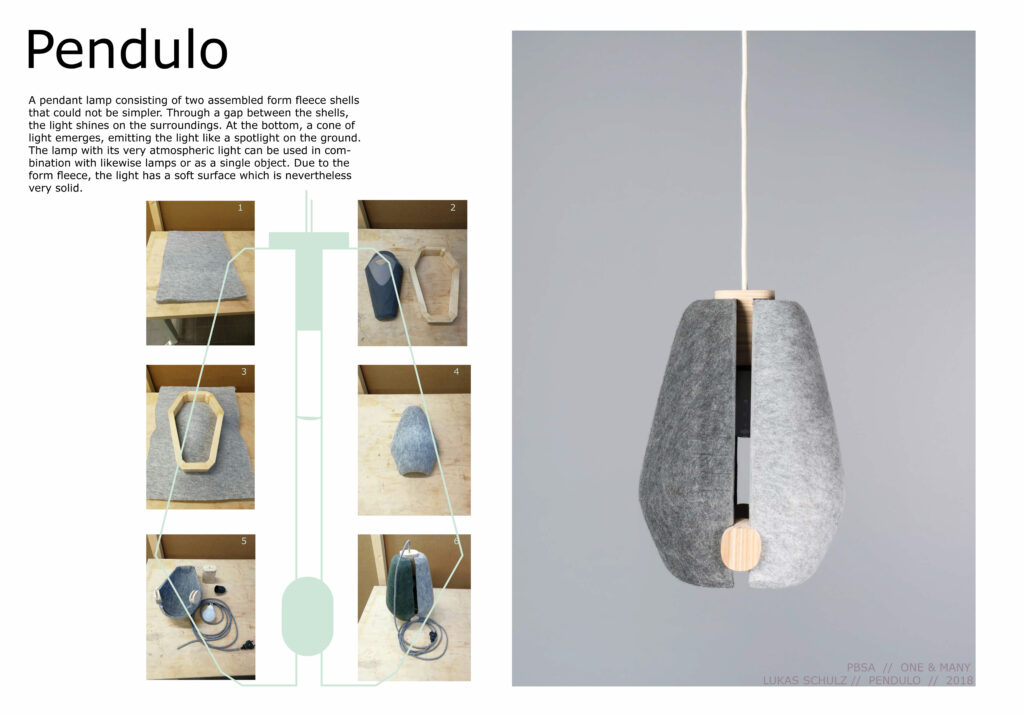
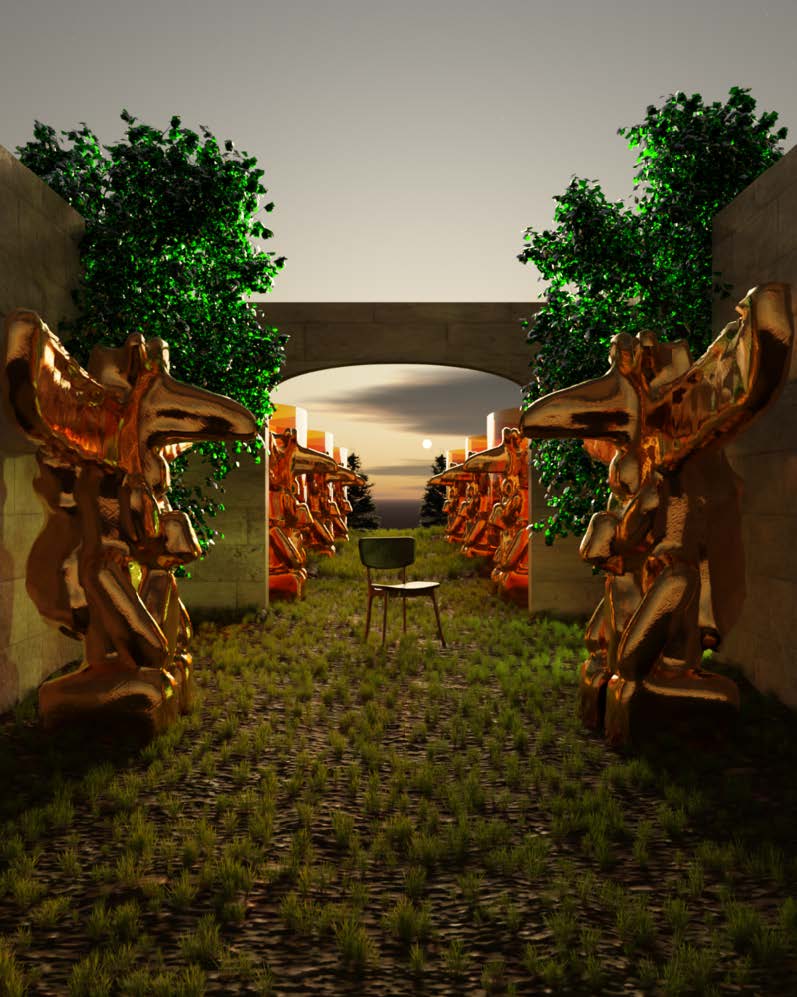
3D scanning technologies provide the starting point for exploring contemporary digital design workflows. This teaching area focuses on digital design, visualisation and contemporary production processes, introducing students to 3D digitisation, CAD/CAM, digital modelling, rapid prototyping and digital manufacturing. Through project-based teaching, students explore how physical objects and ideas can be translated into digital workflows and further developed into prototypes, moulds, small series, presentation models or virtual environments.
Experimentation, material understanding and iterative development play a central role throughout the courses. Questions of reproducibility, construction, material behaviour and production are approached as integral parts of the design process, encouraging students to engage with digital technologies not only as technical tools, but as part of a broader contemporary design practice.
See also: